The Silent Elegance of the Chinese Tea Tray
The Silent Elegance of the Chinese Tea Tray
In many Western kitchens, the humble chopping board is strictly utilitarian. In the realm of traditional Chinese tea culture, its elegant cousin, the tea tray, is anything but. Known as "cha pan" in Mandarin, these trays are the unsung heroes of tea brewing, gracefully guiding the flow of water and the careful artistry of each pour. They are not just functional; they are a reminder that every tea session is a moment to be savored.
The allure of a Chinese tea tray lies as much in its utility as its understated beauty. Imagine a finely carved bamboo tray, glossy with a honeyed sheen, its surface etched with flowing water motifs that hint at the quiet rivers of Fujian or the misty mountains of Zhejiang. But the bamboo is more than just an aesthetic choice; it's a nod to sustainability, light yet durable, resistant to warping in ways that mirror the resilient nature of the tea ceremony itself.
One might wonder, why does a tea tray have such emphasis in a culture already rich with teaware? The answer traces back to the Tang dynasty, a period when tea culture truly flourished in China. It was during these times that the tea tray solidified its place in the tea ritual, expanding from mere functionality to an artifact imbued with meaning. The tray provided a setting for the gaiwan, cups, and teapot, allowing the excess water—poured to awaken the leaves—its own place to settle. The spilled water seemed not waste but a necessary completion of the cycle, like rain nourishing the earth.
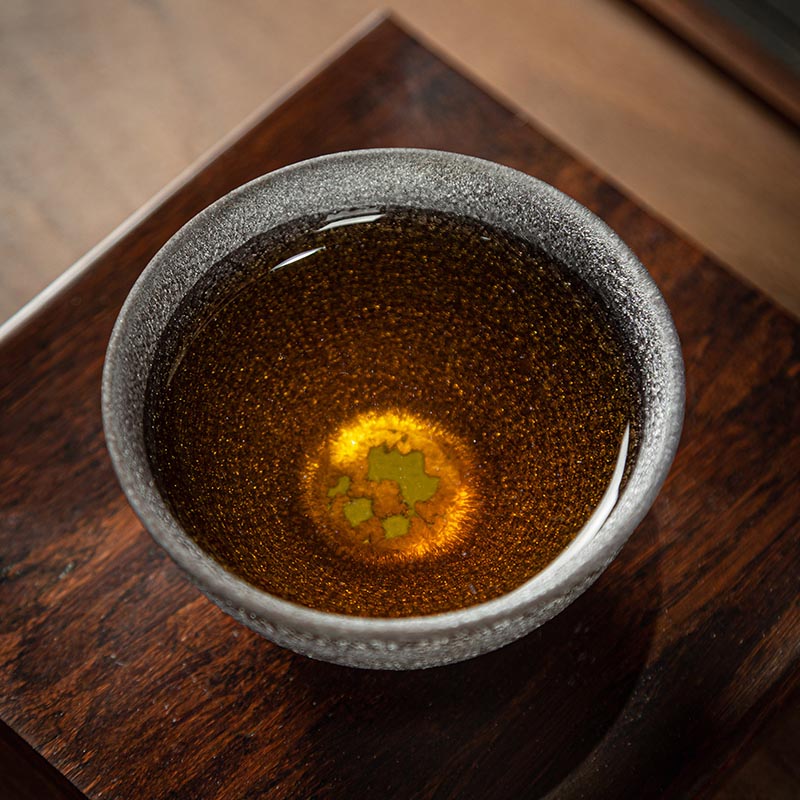
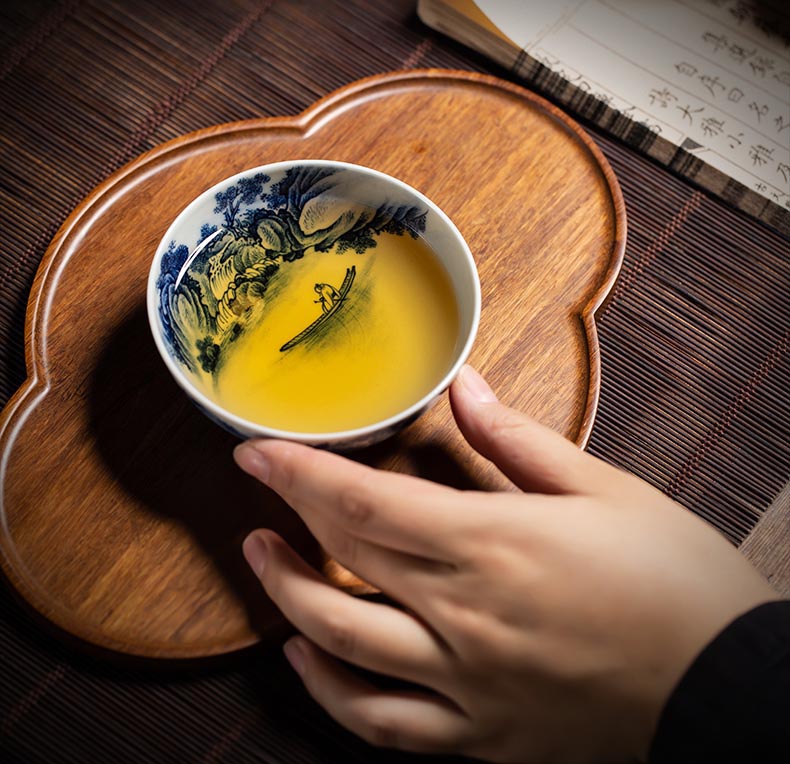
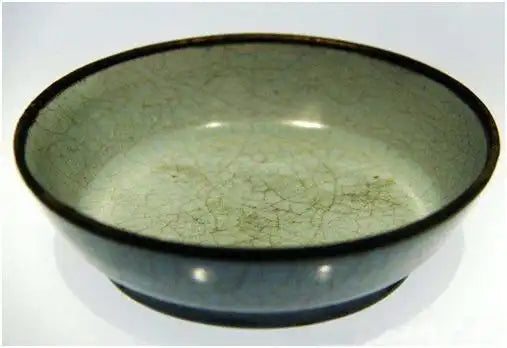
Materials for tea trays vary as widely as the teas they help present. Beyond bamboo, one finds trays crafted from wood, stone, or even ceramic. A stone tray, cool to the touch, might evoke the granite-strewn terrains of Sichuan. Its heft suggests permanence, rooting the fleeting nature of the tea session in something timeless. Meanwhile, wooden trays offer warmth, their grains telling a silent history of the trees they were carved from. Each material contributes its own voice to the symphony of tea.
In the company of tea enthusiasts, you'll often hear conversations drift to the intricacies of tea leaves, water temperatures, or the storied history of a particular Yixing teapot. Yet, behind all these talks, the tea tray is present, quietly facilitating the dance. It reminds us that in tea, as in life, it's the subtleties—the gentle inclines, the thoughtful grooves—that often make the most difference.
So the next time you find yourself at a tea gathering, take a moment to appreciate the tray. Consider how it cradles the essence of the tea experience, how it absorbs both spillage and splendor with equal grace. For in those still moments, as steam rises and leaves unfurl, the tray is there, an ever-present participant in the ritual of tea—a reminder that simplicity carries its own profound elegance.
In the end, perhaps it’s these quiet companions that teach us the most about the art of living well.