The Reality of Teacup Schnauzers A Tiny Tale
The Reality of Teacup Schnauzers A Tiny Tale
In the world of tea, the notion of miniature is often associated with delicate porcelain thimbles or diminutive gaiwans—vessels that invite you to savor the moment in small sips. Speaking of smallness, if you’ve ever encountered the term "teacup schnauzer," you might imagine a pup that fits snugly within the curves of your favorite teacup, much like those dainty vessels of fine brew. However, just like selecting a high-quality tea, understanding the true nature of these small dogs requires a nuanced appreciation of reality over mythology.
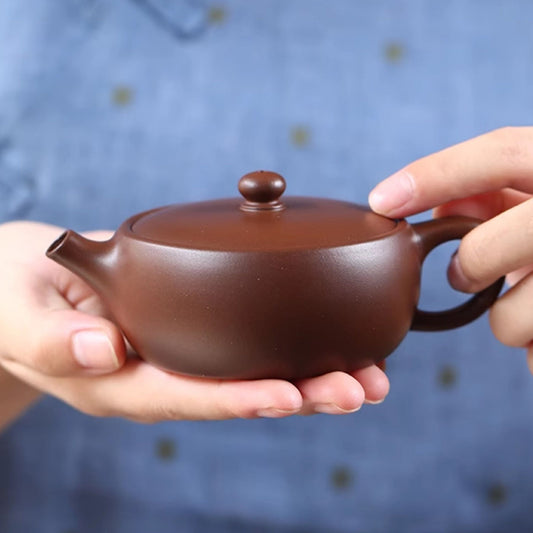
Despite the enchanting name, teacup schnauzers aren't an officially recognized breed; rather, they are simply very small versions of the miniature schnauzer. The art of producing such tiny dogs is akin to the meticulous efforts undertaken by skilled artisans crafting a perfect Yixing teapot. Just as every Yixing piece emerges uniquely from its clay, shaped and refined through careful hands and a precise firing process, teacup schnauzers are the result of deliberate breeding practices aimed at achieving unusually small sizes.
Typically, standard miniature schnauzers weigh between 11 to 20 pounds and stand about 12 to 14 inches at the shoulder. Teacup schnauzers dive even lower on the scale, generally less than 7 pounds. Yet, this diminutive size isn't simply a matter of aesthetics. Much like the ancient legends surrounding the first oolong teas, there is a story behind the size—a blend of intention and consequence. Breeding for extreme smallness can sometimes bring health considerations, shadowed by the specter of genetic issues, much like the challenges faced by farmers propagating rare, delicate tea cultivars.
Historically, schnauzers have roots in Germany, originally bred as versatile working dogs. Their larger cousins, standard schnauzers, were farm companions assisting in everything from herding to rat catching. Their diminutive descendents, bred for urban environments, retained that spirited, intelligent demeanor wrapped up in a smaller package. This historical transition draws parallels with the evolution of tea drinking from the communal Tang dynasty tea cakes to the individualistic, introspective ritual of the Song dynasty tea bowls.
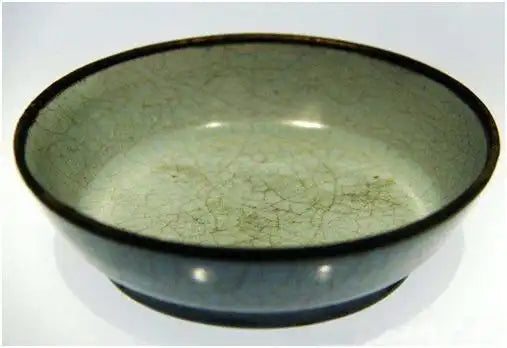
Choosing to welcome a teacup schnauzer into your home is akin to sipping a rare white tea—in both cases, understanding the nuances and respecting the limits of nature's design is essential. Just as a thin-walled Ru ware bowl enhances the subtleties of white tea, appreciating the genuine characteristics and care required for a teacup schnauzer can bring about a richly rewarding experience.
In the end, whether it's a cup of fine tea or a devoted companion at your feet, the heart of the matter lies in nurturing what you choose to cherish, acknowledging that size is not the ultimate measure of worth. Embrace the stories and legacies woven into these small wonders, letting them enrich your life with warmth and authenticity.