The Curious Tale of the Flying Teacup
The Curious Tale of the Flying Teacup
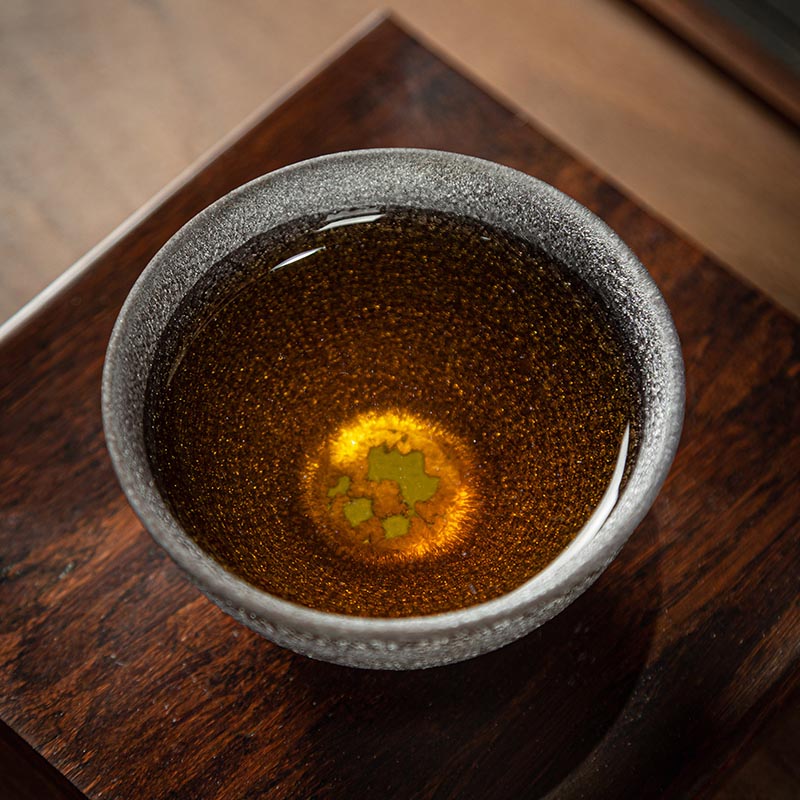
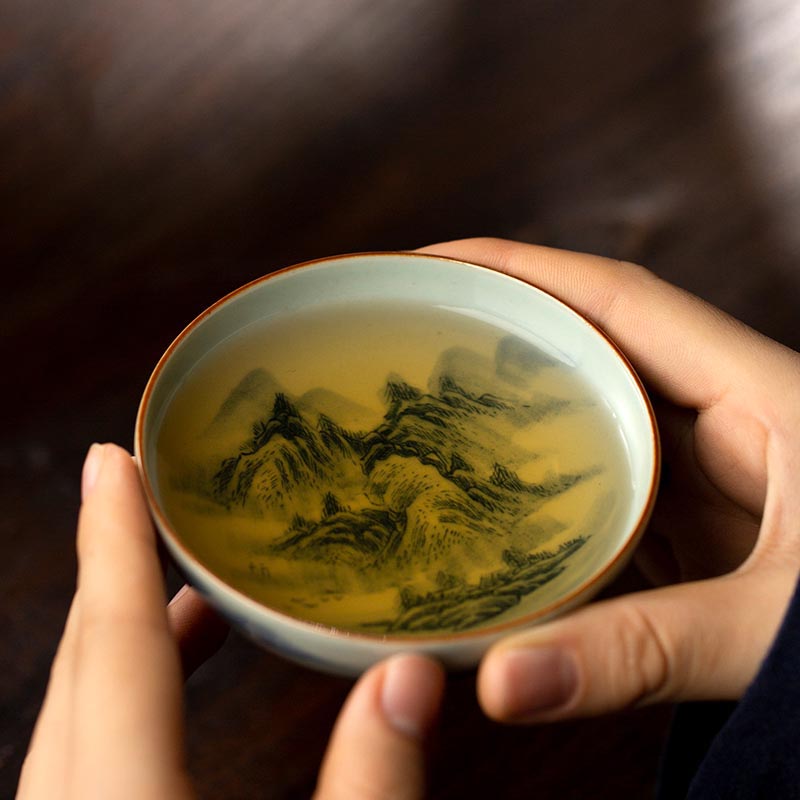
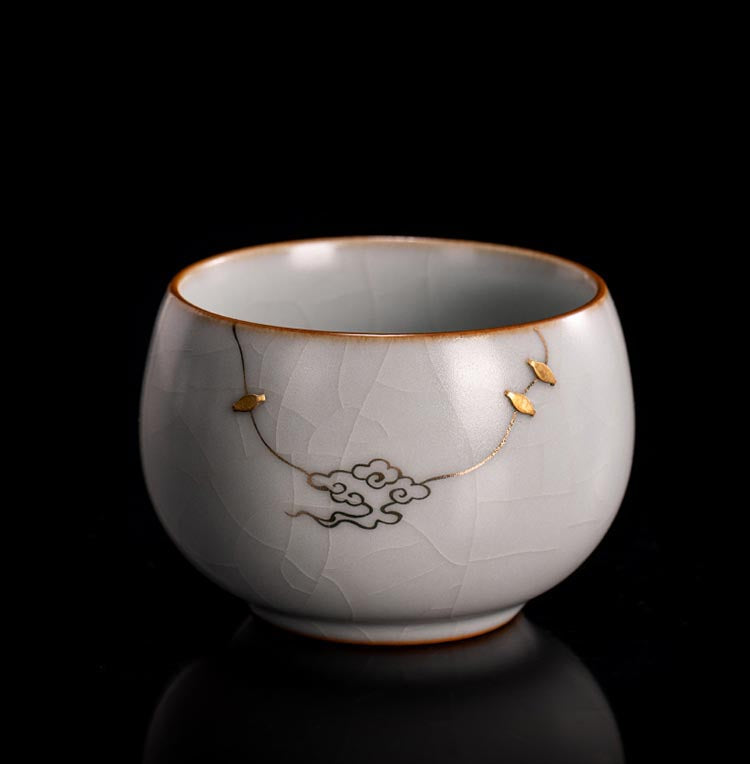
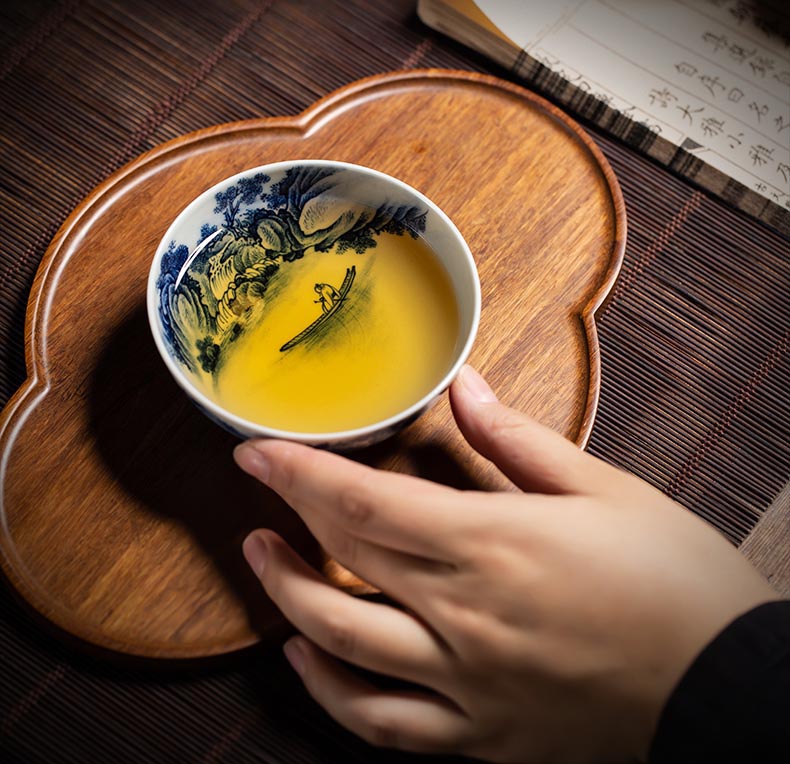
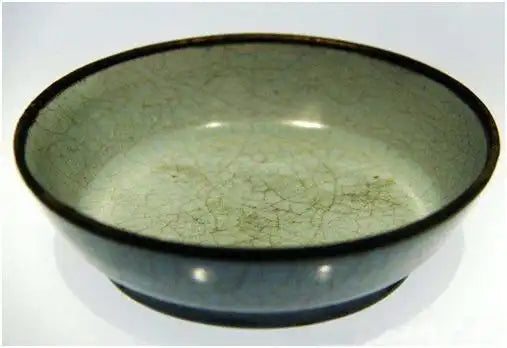
One afternoon in a bustling Hong Kong market, I came across a stall piled high with eclectic teapots and cups, their glazes shimmering under the welcoming sun. Amongst this ceramic multitude, one item caught my eye—a cup so delicate it seemed poised to take flight. The stall owner, noticing my lingering gaze, smiled and shared with me a tale of the "flying teacup."
This cup wasn’t an ordinary piece of teaware. Crafted by a potter in Jingdezhen, China's porcelain heartland, it bore the legacy of centuries. The potter had studied for decades, learning to manipulate the clay so it became both feather-light and remarkably strong, balancing art and utility. Jingdezhen’s reputation for fine porcelain is legendary, rooted in the Tang dynasty when it first began exporting its distinctively translucent ceramics across the world. The mastery required in producing such delicate objects was evident in every line and curve of the cup.
Yet beyond its physical marvel, the flying teacup held a cultural story. During the Song dynasty, it is said that tea gatherings became spaces of intellectual and aesthetic exploration. Scholars believed that the form and function of a teacup could influence the taste of the tea itself, creating harmony between the sensory pleasures of drinking and the philosophical musings that often accompanied the gathering. A flying teacup, with its ethereal lightness, was thought to enhance the subtle aromas and flavors of fine teas, allowing the drinker to savor each sip as a momentary escape from the mundane.
While the notion of a teacup soaring through the air might seem fanciful, there is something undeniably elevating about holding such a crafted piece in your hands. It invites you to slow down and appreciate the tea within, transforming a simple act into an experience. The flying teacup embodies the spirit of tea culture itself—a blend of tradition, craftsmanship, and a touch of whimsy.
As I carefully wrapped the cup to take home, I found myself pondering the countless hands that had contributed to its journey—from the miner who sourced the kaolin clay, to the potter who shaped it, to the traders who brought it to the market. Each cup, after all, carries a piece of history, a whisper of the past that mingles with the present over a steaming brew. Owning such a teacup felt like holding a fragment of that shared human connection, gently tethered to earth despite its desire to fly.