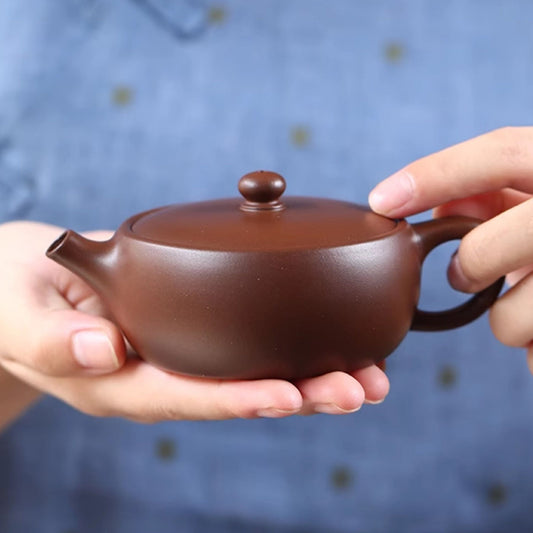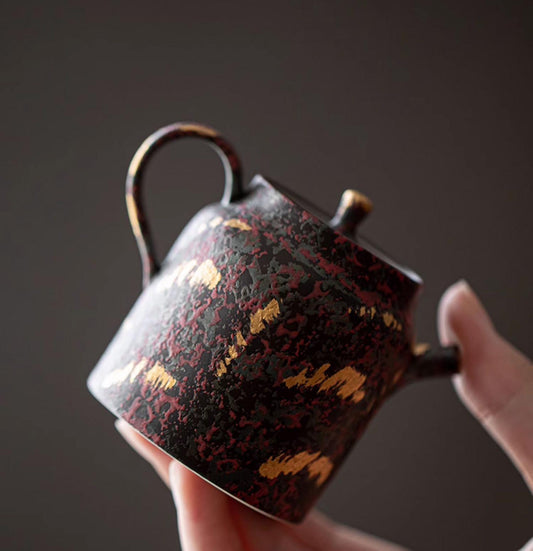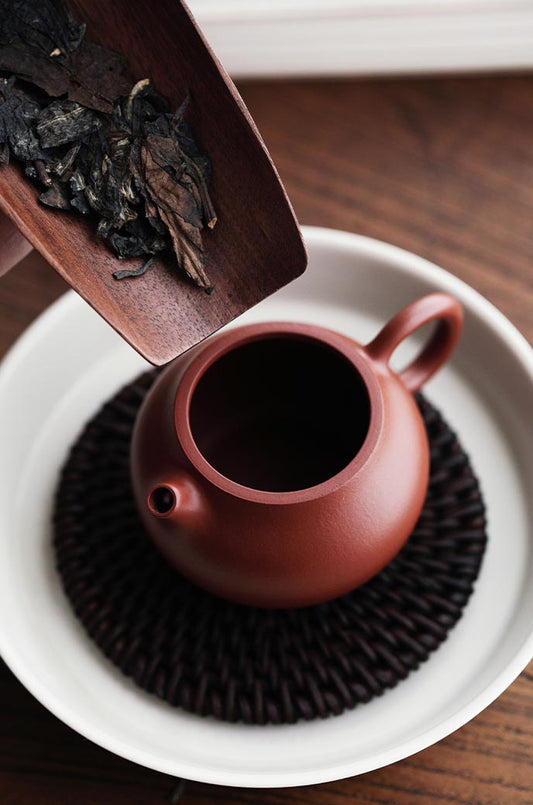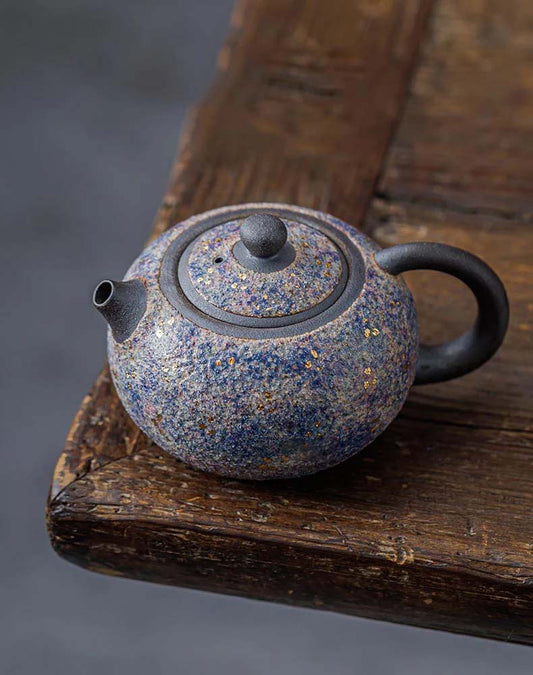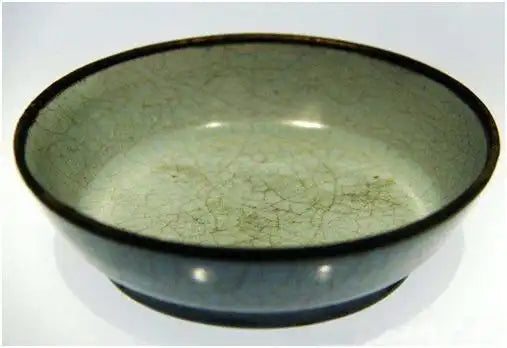
The Artistry of Fine China More Than Mere Plates
The Artistry of Fine China More Than Mere Plates
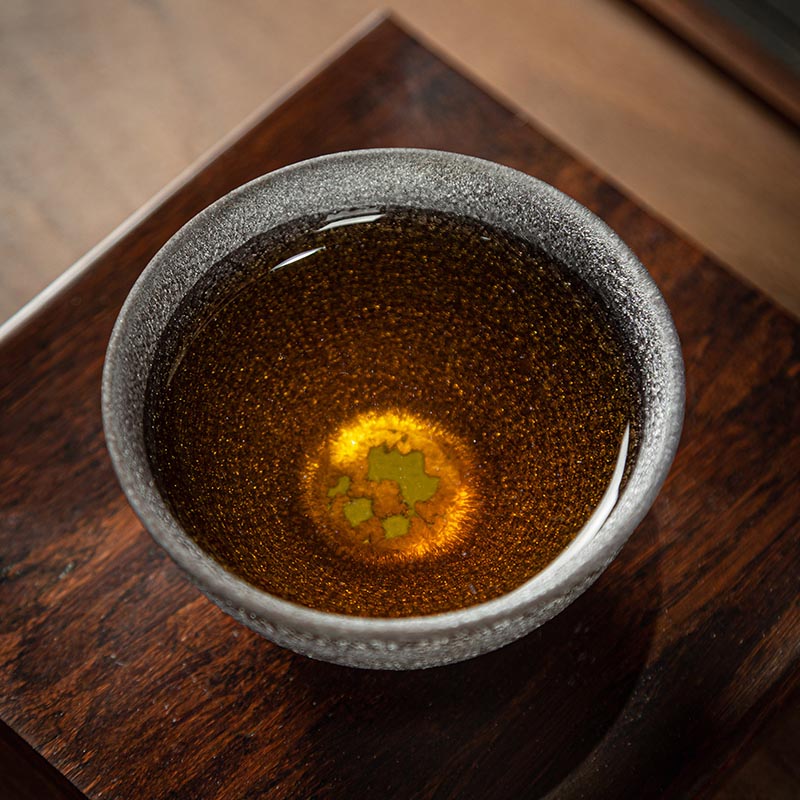
In the realm of tea culture, the allure of fine china is undeniable. Its delicate clinks and airy elegance make it more than just a backdrop for teatime; it speaks volumes of history and craftsmanship. Imagine a warm afternoon, sunlight dancing off the intricate patterns of a porcelain plate, each sip of tea elevated by the graceful ceremony that fine china dictates.
Originating from the Chinese word "Changnan," now Jin De Zhen, what we call "china" is a testament to centuries of skill and tradition. The secrets of porcelain, known for its translucent beauty and strength, were jealously guarded by Chinese artisans for thousands of years. It wasn't until the 18th century that Europe finally unveiled their own version of this coveted material, after years of intrigue and experimentation. Yet, even then, the authenticity and artistry of Chinese chunhua porcelain remained unmatched.
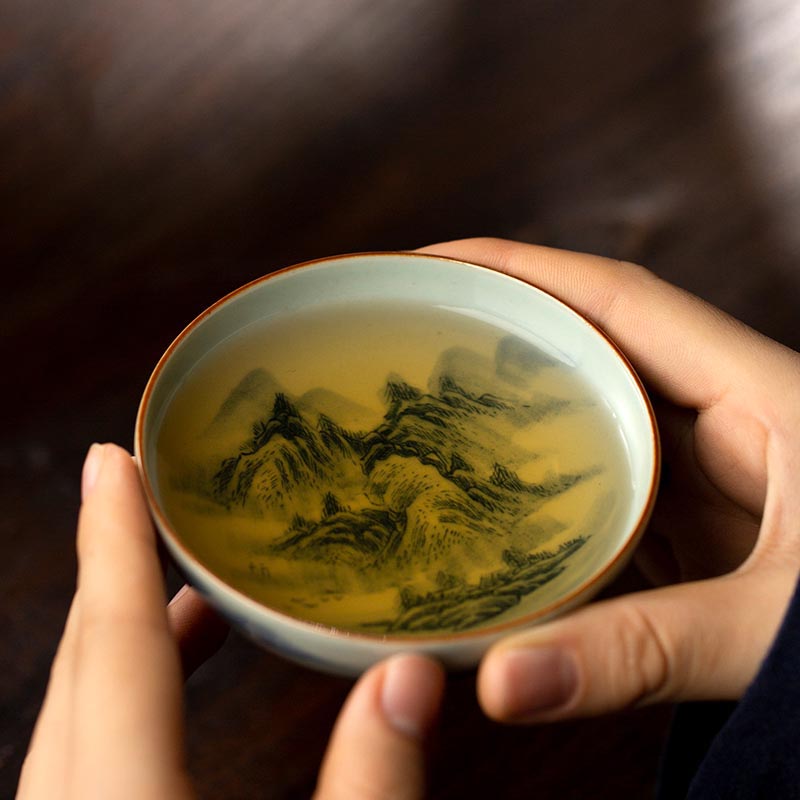
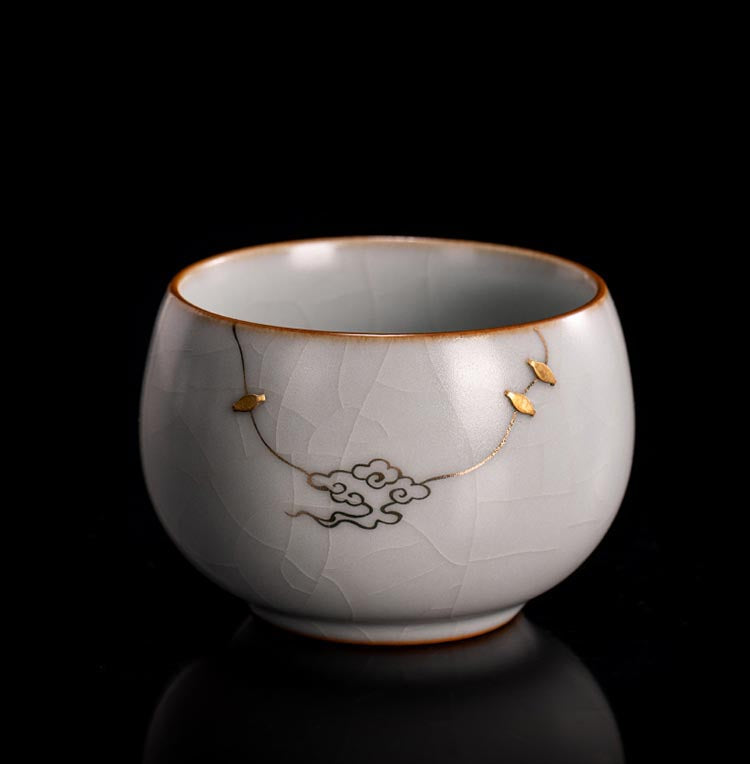
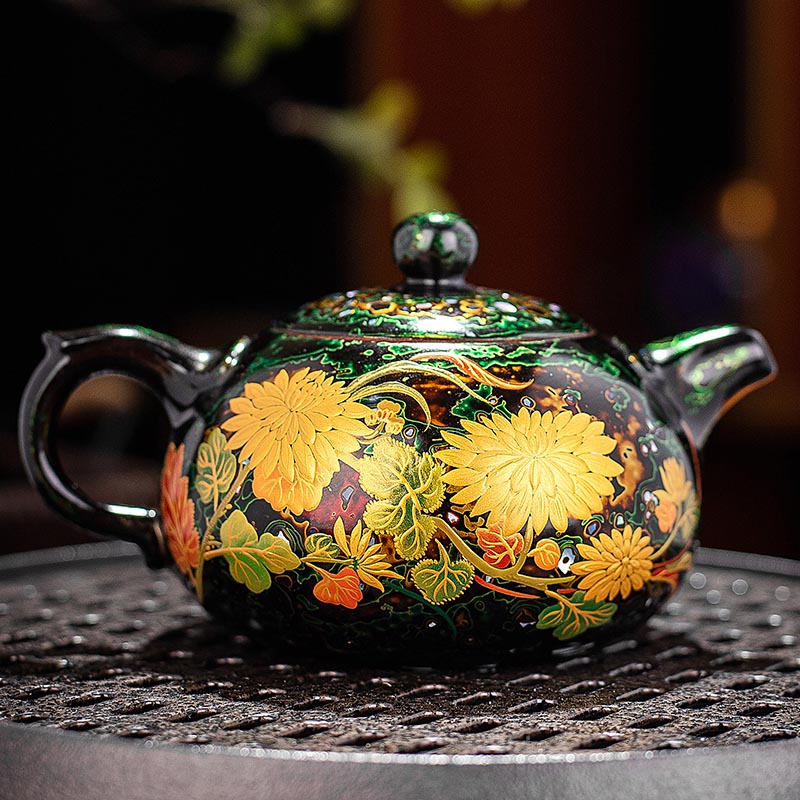
The craft of making fine china is an intricate dance of elements — earth, fire, and the human touch. In the kilns of Jingdezhen, known as the Porcelain Capital, skilled artisans mold kaolin clay into plates that are both art and utility. The process is meticulous: the clay is shaped, fired, and then painted with brush strokes that reflect a legacy of artistic expression. Each piece tells a story, its patterns and motifs whispering tales of dynasties past, of emperors who prized these masterpieces not just for their utility but for their beauty.
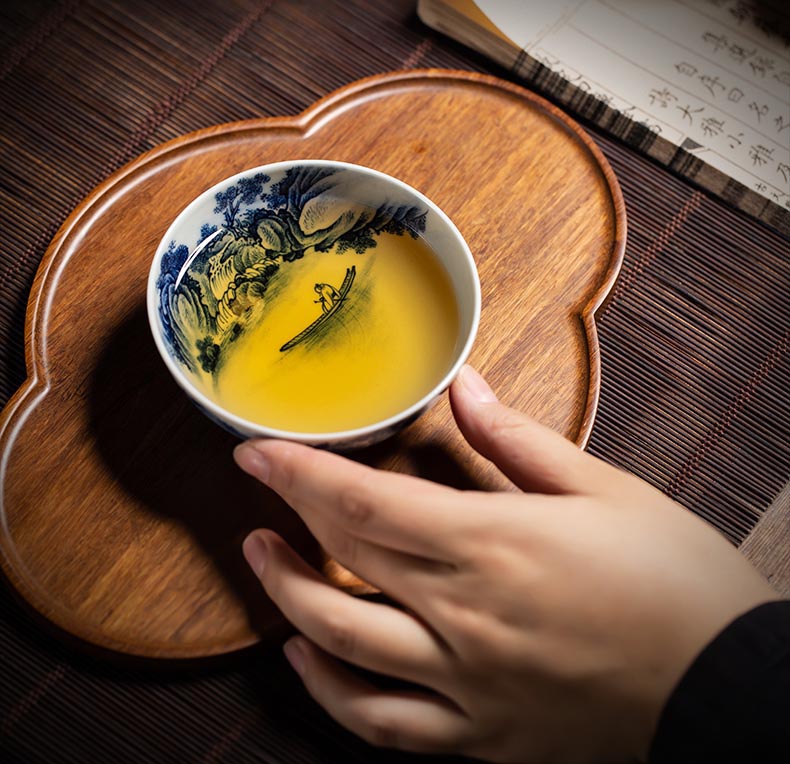
My own collection of fine china began with a single plate. A gift from a dear friend, it bore a classic blue and white motif, evoking imagery of swirling dragons and tranquil waters. At first, I was hesitant to use it, fearing a chip or crack might render it imperfect. However, I've come to realize that the true charm of fine china lies in its embrace of imperfection. Each tiny flaw becomes a marker of memory, a testament to shared moments over steaming cups of oolong.
In tea culture, the role of fine china extends beyond aesthetics. It enhances the sensory experience, inviting contemplation with each sip. The thinness of the porcelain allows the warmth of the tea to pass through, unlike thicker ceramics that insulate. This subtle sensation brings a profound immediacy to the act of tea drinking, fostering a connection between the person and the pot, between the present and the past.
Ultimately, the value of fine china is not confined to its monetary worth or its historical prestige. It lies in its ability to transform a simple act into a cherished ritual. It reminds us that beauty and utility, art and function, do not exist in isolation but rather blend seamlessly to enhance our appreciation of life’s simple pleasures. As I sip my tea, cradling a piece of this storied porcelain, I’m reminded of the delicate balance between fragility and resilience — a poignant reflection on both china itself and the tradition it embodies.