The Art and Soul of Tea Set Cups A Journey Through Craft and Culture
The Art and Soul of Tea Set Cups A Journey Through Craft and Culture
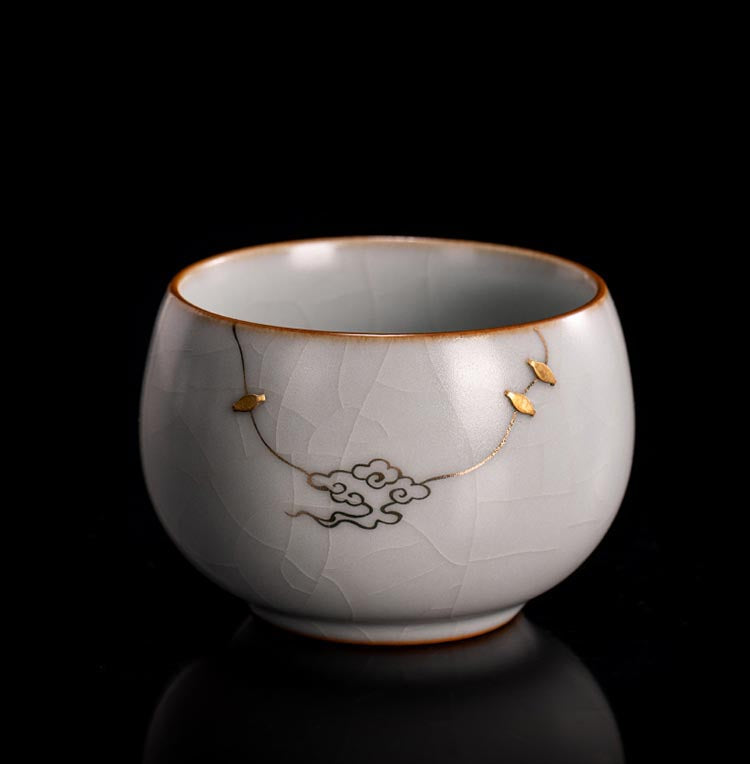
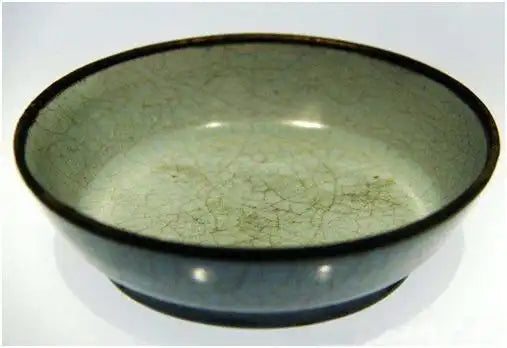
If you ever have the privilege to sit down for tea with an aficionado, don't be surprised if you spend a good amount of time discussing not just the tea itself, but the tea cups. These seemingly simple vessels are in fact the ultimate translators of the tea experience. Imagine holding a fine piece of Ru ware; its simplicity speaks volumes about the elegance of the Song Dynasty, from which this frozen sky glaze emerged. Blue as a robin's egg, the color is both antique and timeless, a testament to centuries of craft that still resonates today.
Tea cups, like the leaves they cradle, possess their own lexicon of stories. In China, the gaiwan, a three-piece wonder of saucer, cup, and lid, embodies not just function but a philosophy of balance and control. Originating in the Ming Dynasty, the gaiwan teaches patience and precision. As steam curls from its mouth, you're reminded that traditional tea culture is a dance of elements—heat, air, and time. The thinness of the porcelain lets your fingertips sense the temperature, a tactile nod to the wisdom of tea master Lu Yu, who detailed every nuance of brewing in his classic "The Classic of Tea."
On the other side of the tea world lies the elegant simplicity of Japanese tea bowls, or "chawan." Each chawan is a meditation in clay, from the raku of Kyoto to the earthy warmth of Hagi ware. During the Japanese tea ceremony, the chawan is more than a cup; it is a vessel of Zen philosophy. The deliberate rusticity, known as "wabi-sabi," celebrates imperfection, authenticity, and the beauty of age. You might find yourself holding a bowl that feels ancient and modern, its irregularities a gentle reminder that perfection lies in the experience rather than the form.
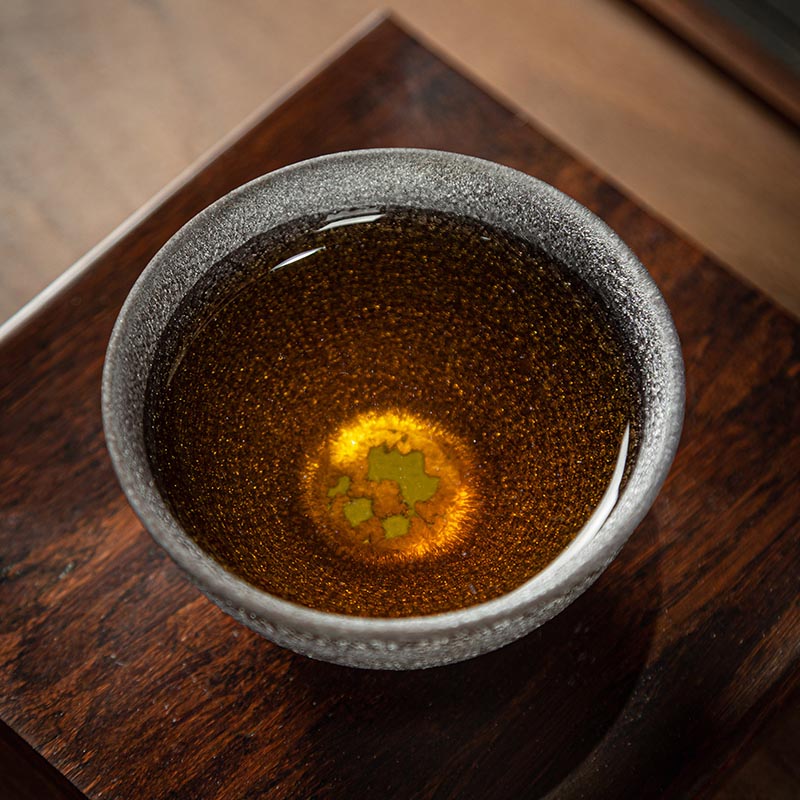
In our fast-paced world, where drinks are often hastily poured into disposable cups, the act of selecting a tea cup can feel like an act of rebellion. When you pour a delicate white peony tea into a Jian Zhan cup, known for its robust iron glaze that ripples like oil on water, you’re not just making a beverage; you’re engaging in a dialogue—across continents and centuries—with artists, monks, and scholars.
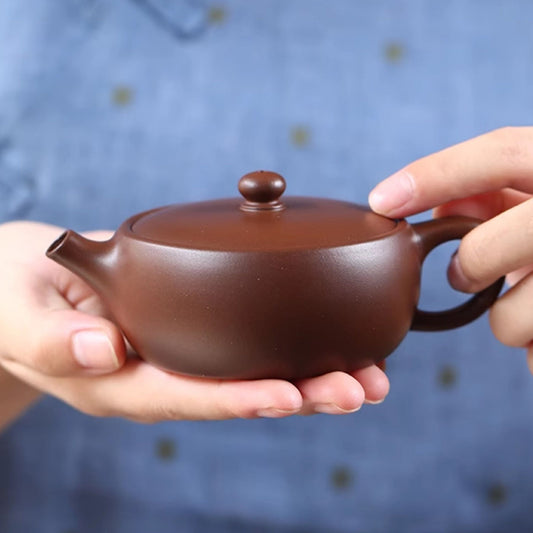
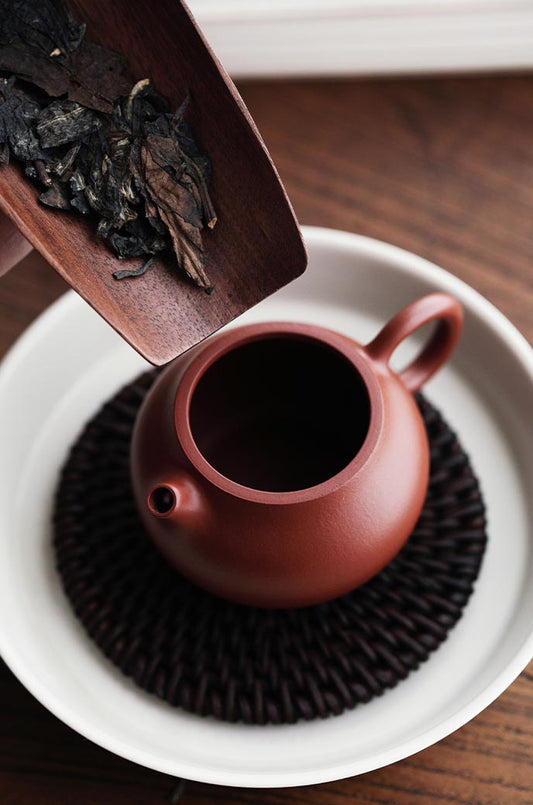
There’s a tactile joy in using traditional tea cups. The weight of a Yixing clay cup changes as it absorbs the essence of the tea, becoming seasoned with each use. This little alchemy between clay and leaf invites you to notice the subtleties of flavor that might otherwise slide by unnoticed. Such craftsmanship is vanishingly rare in an era of mass production. The artisans who create these objects pour a lifetime of skill and love into each piece, a humbling reminder of the human element in our everyday rituals.
So next time you make tea, pause before the kettle boils. Select a cup that resonates with your mood or the moment. Let its story unfold with each sip. In a world that hastens us towards simplicity, a tea set cup is a portal to complexity—one that melds art, culture, and the quietude of tea. There’s something deeply human about that, don’t you think?