Teacup Software Bridging Heritage with Modernity
Teacup Software Bridging Heritage with Modernity
In a world where technology often seems at odds with tradition, teacup software represents an intersection where past and present dance a delicate waltz. It's a term that initially sounds paradoxical, conjuring images of old-world elegance mingling with futuristic efficiency. But perhaps there’s more to this digital teacup than meets the eye.
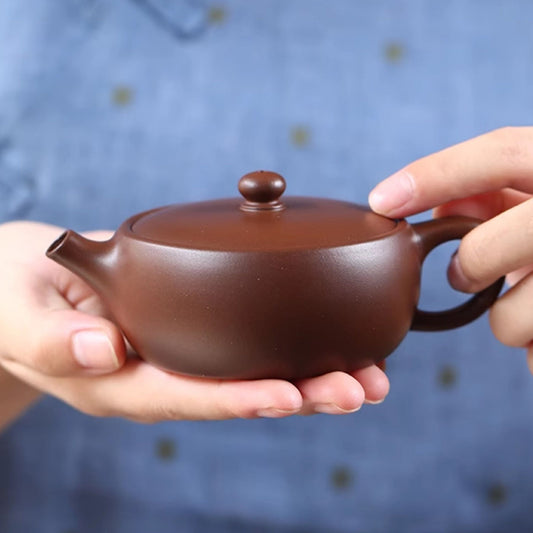
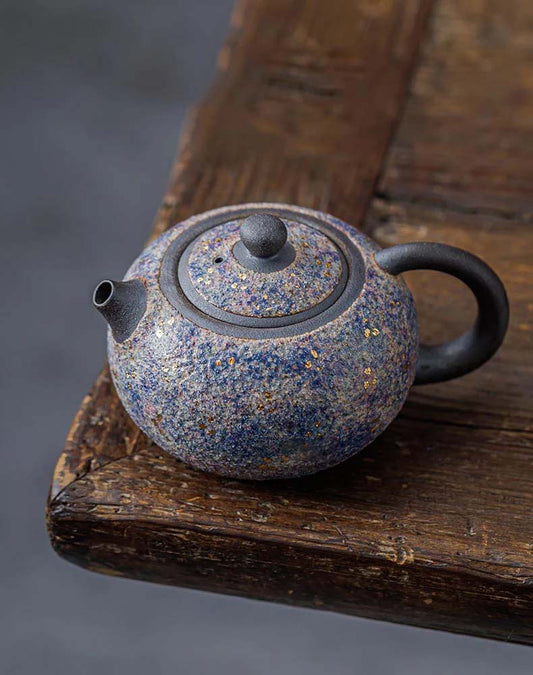
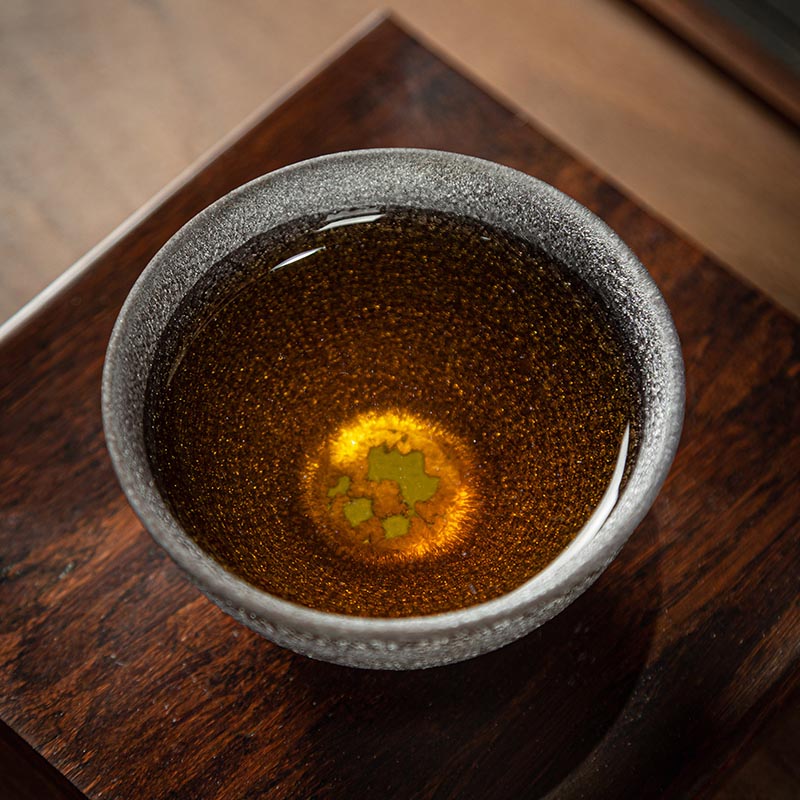
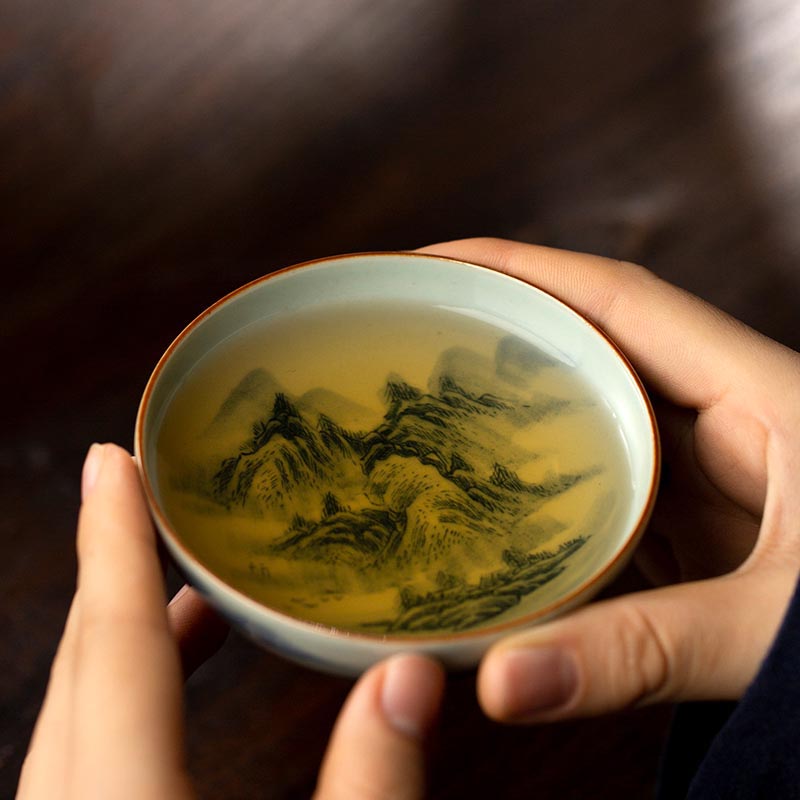
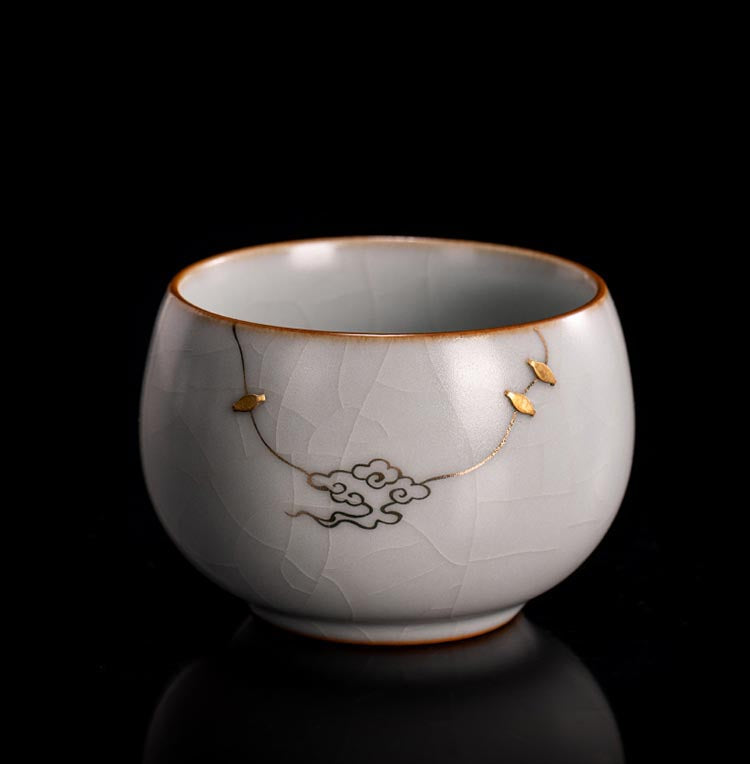
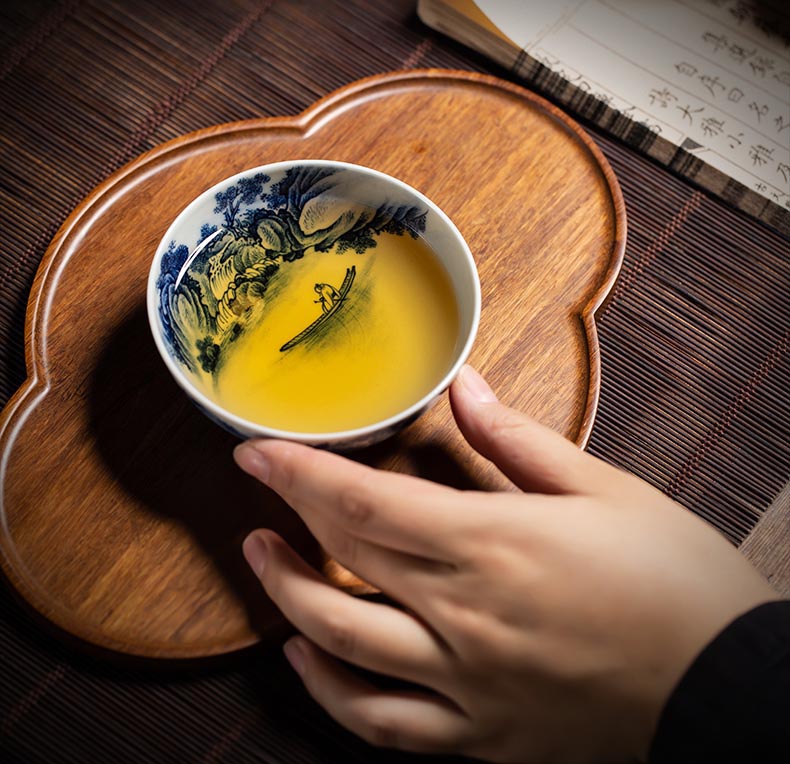
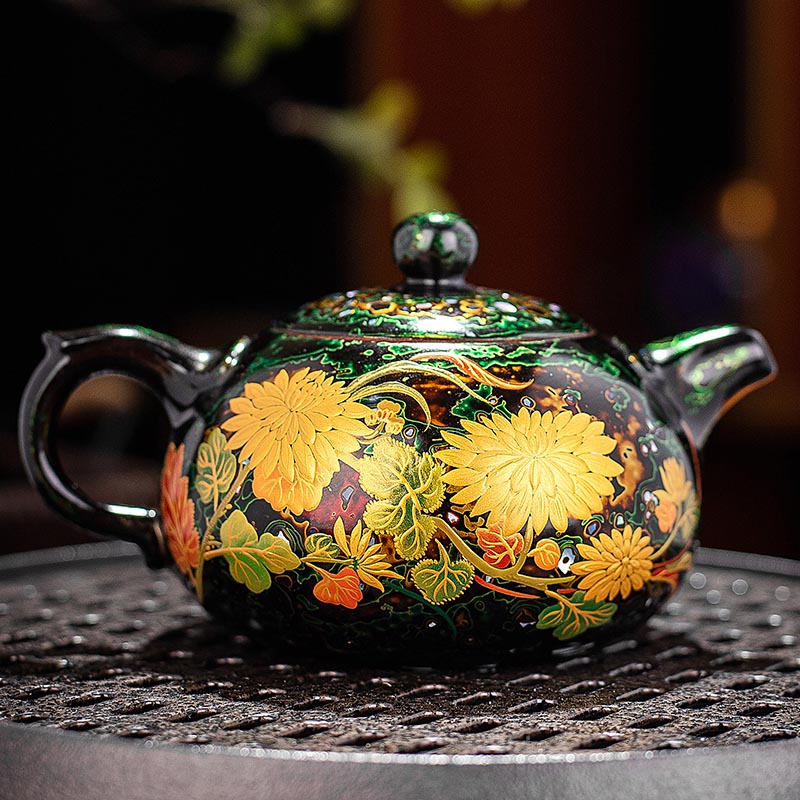
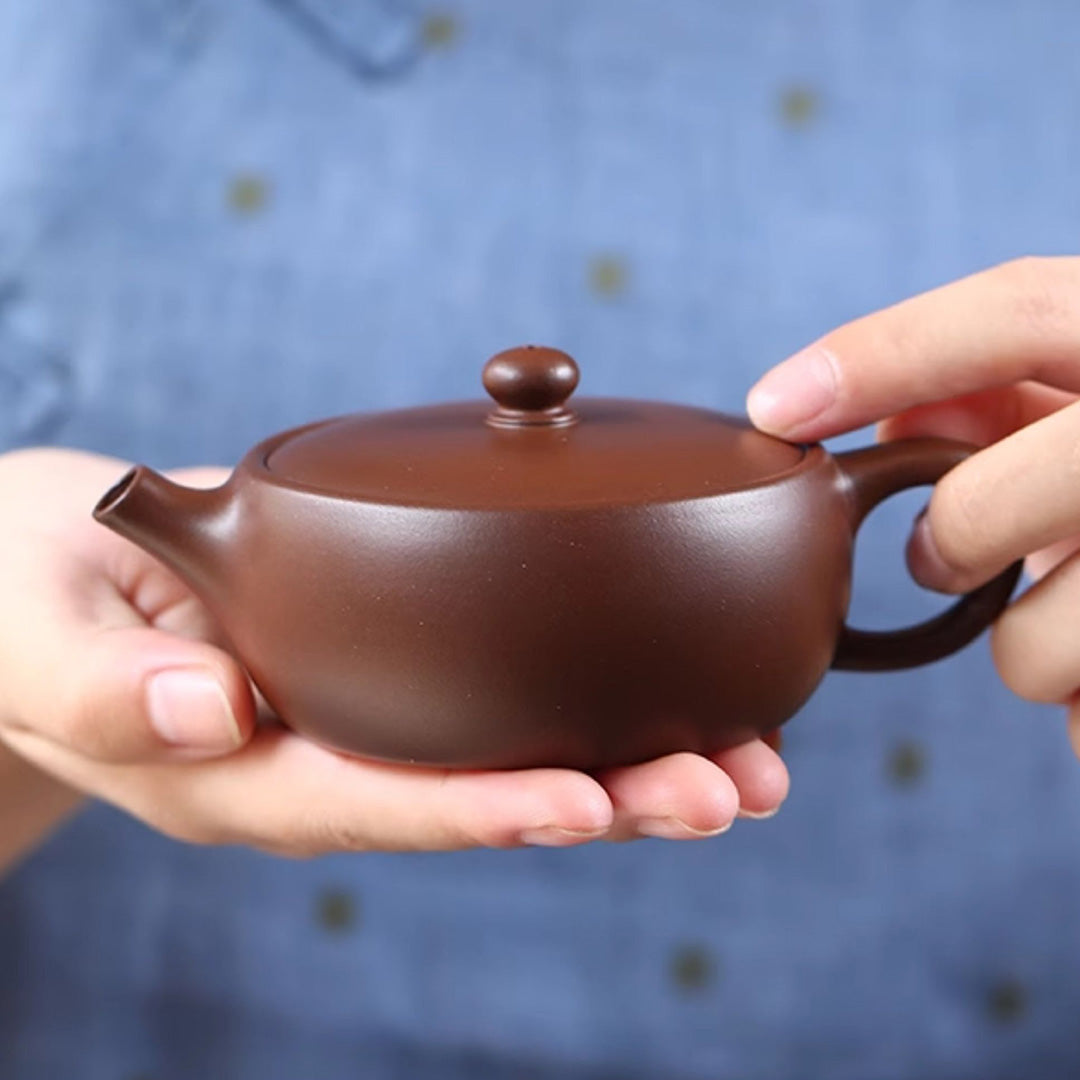
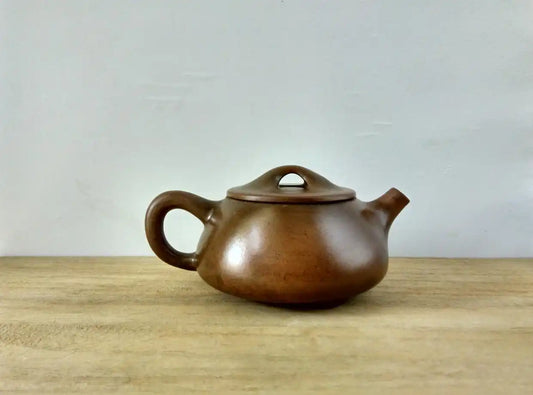
The notion of teacup software might seem odd at first—a whimsical pairing of something tactile with something entirely virtual. Yet, when you consider the historical versatility of the teacup, the metaphor reveals its depth. Just as teacups have evolved across cultures—from the delicate, translucent porcelain of China to the rustic, hand-thrown ceramics of Japan—software serves as a vessel, holding and transmitting the essence of tradition into our modern lives.
The challenge lies in creating software that honors the sophistication of the teacup's lineage. In the tea-drinking regions of China and Japan, selecting the right cup is an art form, influenced by considerations of form, color, and the delicate interaction of glaze with brewed leaves. This requires a mindful approach that embodies both utility and beauty. Similarly, crafting software to facilitate our relationship with tea isn't simply about digitizing recipes or tea timers. It's about capturing a narrative, a history that dates back thousands of years, and presenting it in a way that resonates with today's tech-savvy enthusiasts.
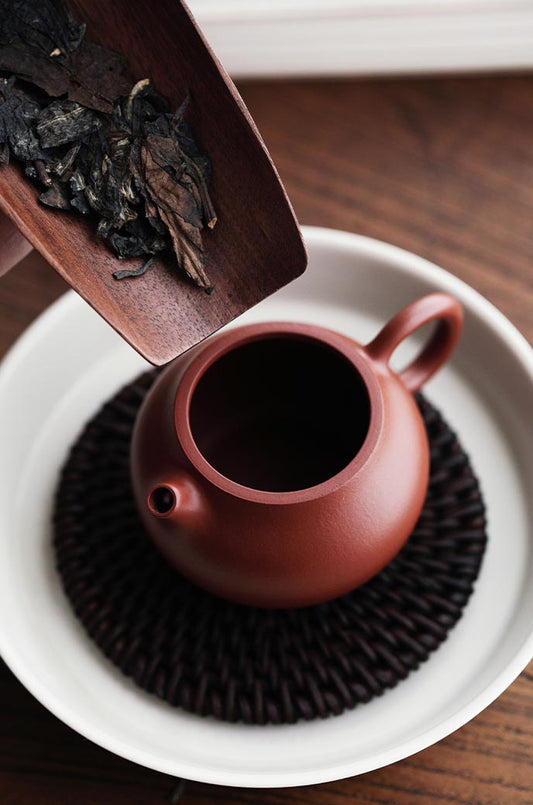
Of course, the value of teacup software is contingent upon its capacity to evoke authenticity while offering practicality. It’s a tool that must guide the user gently, like a knowledgeable tea master introducing a novice to the subtleties of Longjing or Gyokuro leaves. Imagine an app that not only tracks steeping times but also shares stories of the legendary Lu Yu and his Tea Classic, inviting the user to savor each moment as if they were participating in an ancient tea ceremony.
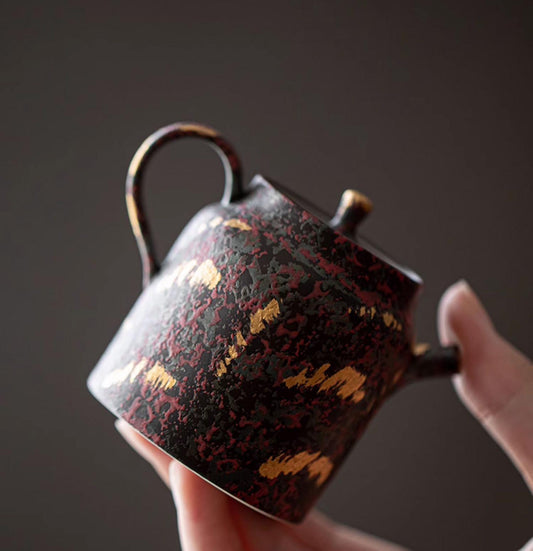
In considering the craftsmanship of teacups, we glimpse the immense skill and patience of artisans who mold clay and apply glaze with meticulous care. Each cup is a unique creation, much like how a thoughtfully designed piece of software manifests an artisan’s vision. Software that respects this tradition seeks to offer a digital experience that is similarly sculpted with care, inviting users to explore diverse flavors and aromas as though they were walking through a bustling tea market, their senses enlivened by the earthy richness in the air.
While the digital realm is often seen as impersonal, perhaps the success of teacup software lies in its ability to forge connections. It invites us to engage with the practice of tea drinking, not as a solitary act, but as part of a shared legacy. Whether it helps a user perfect the intricacies of gongfu cha or simply enhances their enjoyment of a morning cuppa, the right software becomes as essential as the teacup itself—a bridge that marries modern convenience with age-old tradition. It’s a reminder that, in all our advancements, we are still very much a part of the same human story that began with the very first sip.
Ending a reflection on such an unexpected fusion, one might ponder over a warm cup of tea and wonder how else old customs might find a place in today’s ever-evolving landscape, nodding gratefully at the comfort and innovation they bring to our lives.