Teacup Pitbulls A Thoughtful Look at Price and Perception
Teacup Pitbulls A Thoughtful Look at Price and Perception
When I first heard the term "teacup pitbull," I was struck by the incongruity of it. Here was a blending of images—a petite, delicate cup used for savoring tea and a robust, courageous breed, often misunderstood. It’s an emblem of how modern pet culture sometimes mirrors our fascination with tea culture: a dance between tradition and novelty, a balance of elegance and strength.
Let's set the record straight. While "teacup pitbull" is a term that’s drifted into the vernacular, it isn't recognized by any reputable dog breeding standards. The concept often stems from a desire for smaller versions of well-loved breeds, tied in with the charm of compact elegance much like the allure of a perfect gaiwan—a small, unassuming vessel with the power to transform loose leaves into liquid poetry. However, unlike the meticulous art of crafting a Yixing teapot, breeding dogs to be much smaller than their standard size can involve ethical and health concerns.
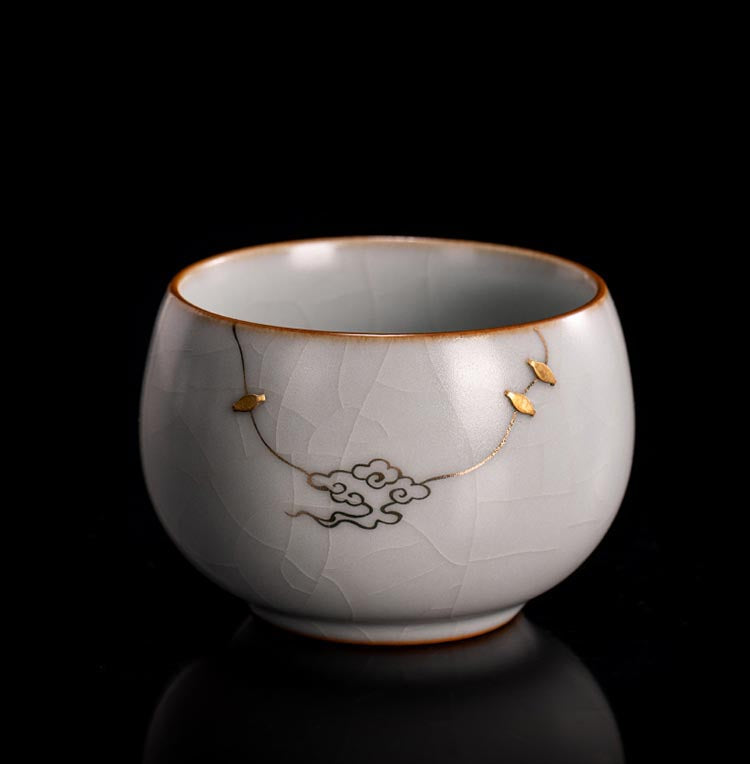
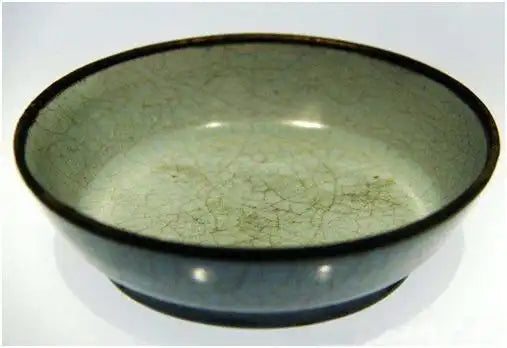
In my travels through the world of tea, I've often encountered craftsmen who cherish the balance they find in their work, particularly when handling materials as temperamental as Ru ware clay, which demands precision and care. Similarly, the so-called teacup pitbull breeders must navigate a complex landscape where physical appearance must never outweigh the essence of the dog's health and character. This brings us to the price—a topic as layered as the nuanced taste of a well-steeped oolong.
Much like high-quality teas, where price reflects rarity, craftsmanship, and tradition, the cost associated with teacup dogs can sometimes be misleading. While premium teas earn their price tag through skilled harvesting and centuries of cultural history, a high price for a teacup pitbull might point more towards demand than genuine pedigree or health. Here, discerning buyers, much like seasoned tea enthusiasts, need to see beyond the surface. It’s about understanding the true cost, not just in currency but in care and commitment.
And then there’s the human factor—how we choose to value and seek experiences. Just as I’d rather spend an afternoon sipping Sencha in a friend’s garden than chasing the latest Instagram trend, it’s crucial to reflect on our motivations. Often, the smallest joys, whether found in the curl of steam from a Jian Zhan cup or the soft eyes of a well-cared-for pet, carry the richest rewards.
As with any rare or prized item, whether it’s a finely crafted piece of teaware or a breed of dog, authenticity and quality often speak for themselves. It’s a lesson tea has taught me time and again: in tea and in life, the most meaningful experiences aren't solely about the price tag—they’re about the story, the heritage, and the heart behind them.