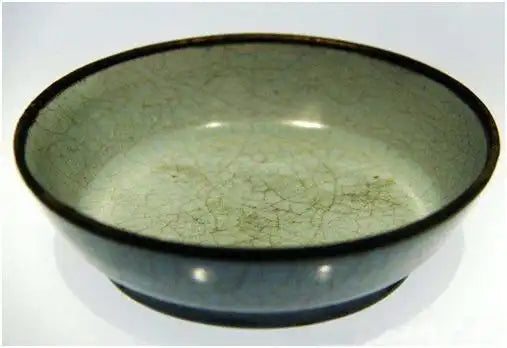
Porcelain Tea Cups A Delicate Touch of History
Porcelain Tea Cups A Delicate Touch of History
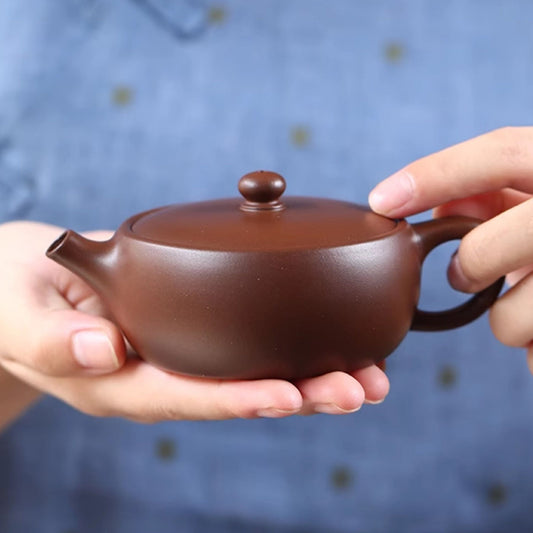
On a cool afternoon, as steam swirls upward from the cup's rim, you might find yourself cradling a porcelain tea cup, its surface smooth like polished marble and cool to the touch. There's something unmistakably satisfying about the way porcelain feels in the hand, a blend of fragility and resilience, much like the tea it holds.
Porcelain, often considered a symbol of elegance and refinement, boasts a history as rich as the most aromatic of teas. Originating in China during the Tang Dynasty, its creation was nothing short of alchemy. Craftsmen mixed kaolin clay with petuntse — a stone that, when fired at high temperatures, transformed into a translucent magic. For centuries, the secret of porcelain, or "china" as it came to be known in the West, was closely guarded by the Chinese. It was not merely a material but a cultural artifact, reflecting the sophistication of Chinese society.
The journey of porcelain tea cups into Western culture is an intriguing tale of admiration and trade. European traders, entranced by these delicate vessels, brought them back to their shores, sparking both fascination and envy. This sparked a "porcelain fever," with European potters tirelessly experimenting, hoping to unlock the secrets of this alluring craft. It wasn't until the 18th century that they succeeded, leading to the proliferation of porcelain across Europe. The porcelain tea cup had indeed crossed continents, becoming as much a part of a British afternoon tea as scones and cucumber sandwiches.
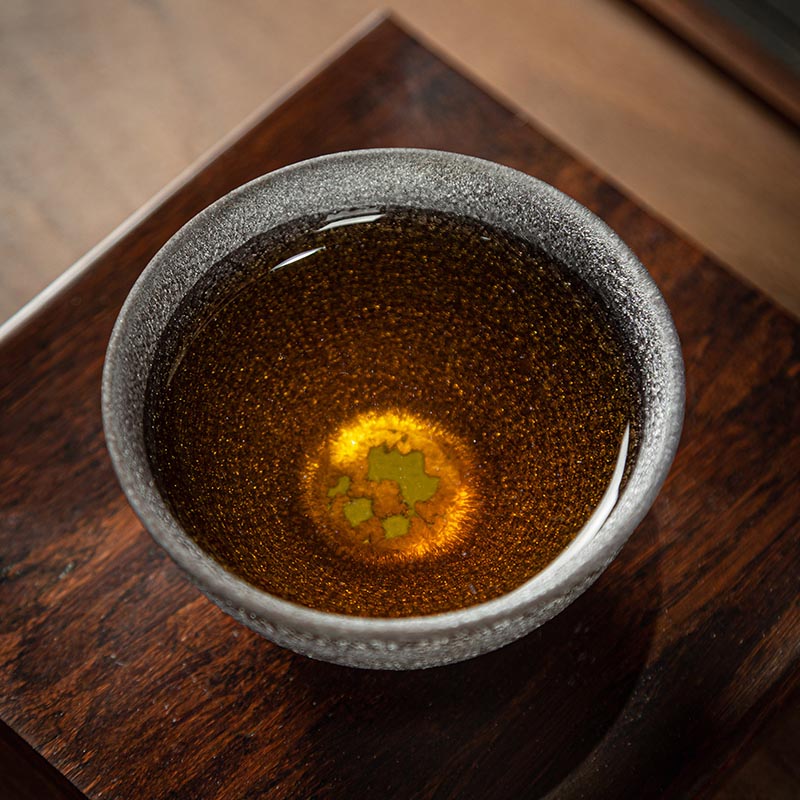
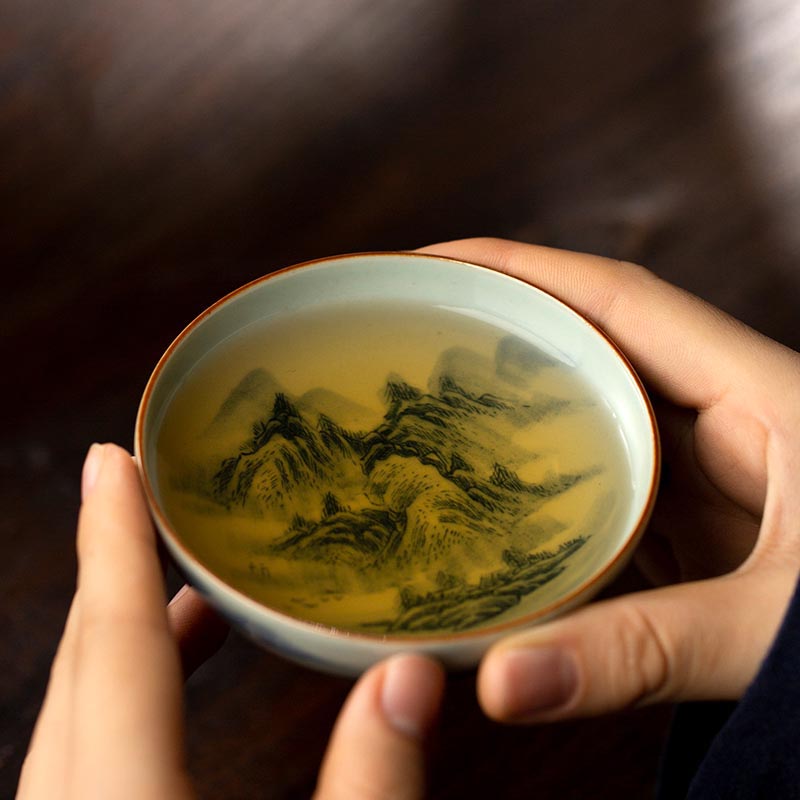
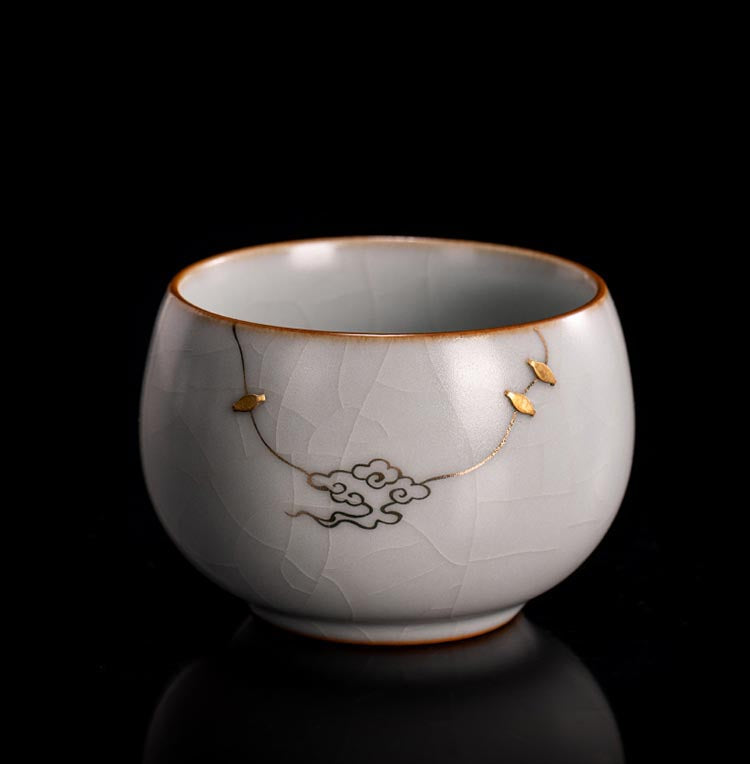
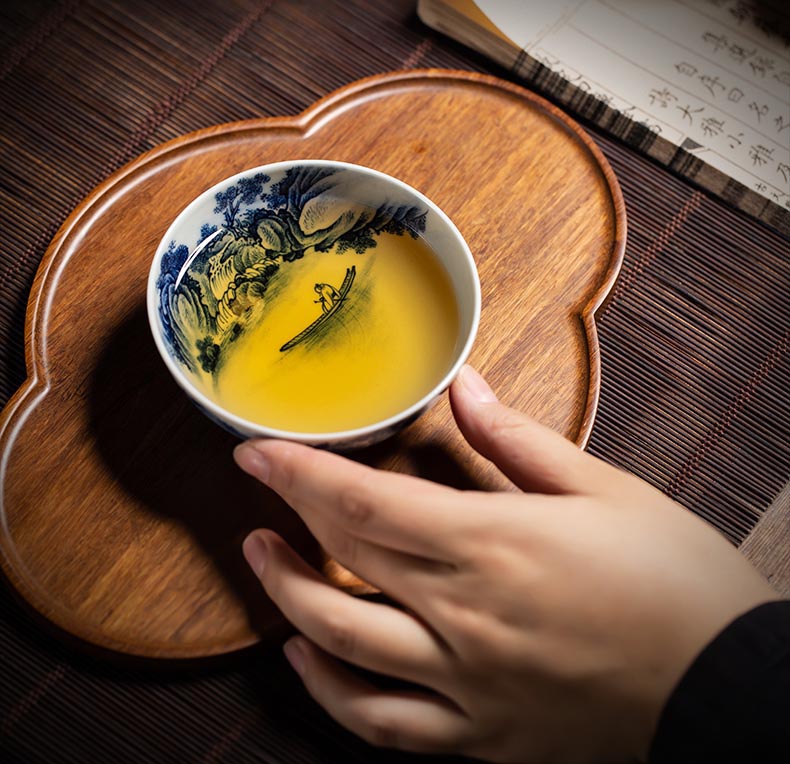
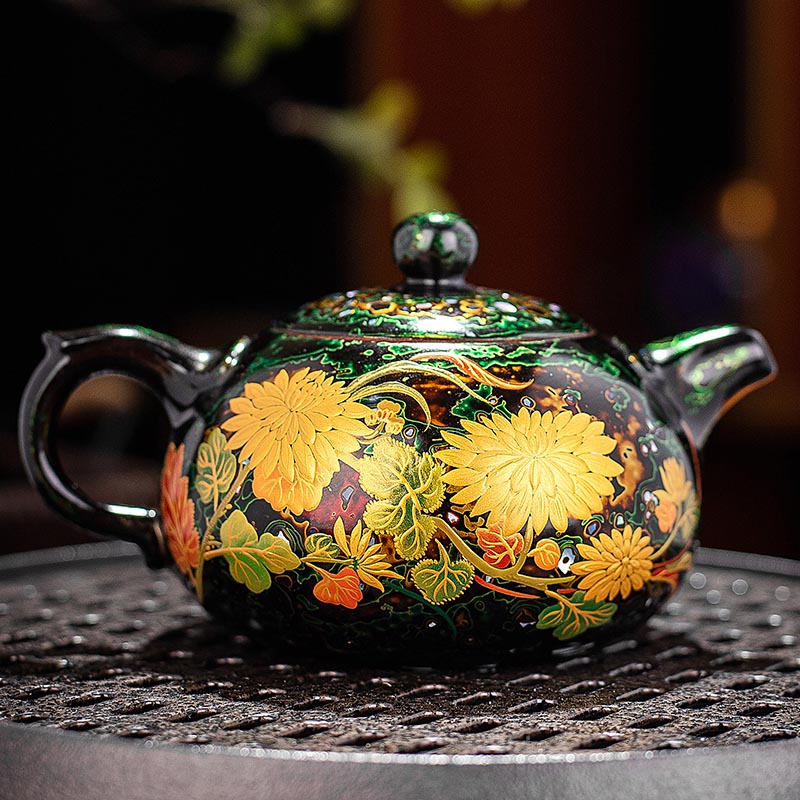
Sipping tea from a porcelain cup is an experience that engages more than just the palate. The thin walls of the cup ensure the tea maintains its temperature, whilst also allowing the true clarity of its color to shine through. There's a tactile pleasure as fingers brush over the smooth, glazed surface, a reminder of the delicate craftsmanship involved in its creation. Each cup is a work of art, often adorned with intricate patterns that tell stories of their own — dragons chasing pearls, phoenixes in flight, or simple floral motifs inspired by nature.
It's also worth noting the role of porcelain in ceremonial teas, particularly in places like Japan, where the aesthetic qualities of porcelain are highly valued. The Japanese tea ceremony, or "chanoyu," places emphasis on the harmony, respect, purity, and tranquility of the experience — and the choice of teaware is no exception. Here, porcelain tea cups are chosen not just for their beauty but also for their symbolic connection to nature and the divine.
In an era of mass production, the personal story of a hand-crafted porcelain tea cup is a refreshing reminder of the patience and skill honed over generations. Artisans, dedicating themselves to perfecting their craft, often imbue each piece with a sense of soul and history. A porcelain tea cup isn’t just a vessel; it is a gentle bridge between past and present, East and West, art and utility.
As you sip your next cup of tea from a porcelain vessel, take a moment to appreciate the centuries of tradition and craftsmanship held within your hands. Understanding these pieces deepens one’s appreciation, not just for the tea itself, but for the cultural journey that brought it to your table. Who knows, maybe the next swirl of steam will carry with it stories of its own.