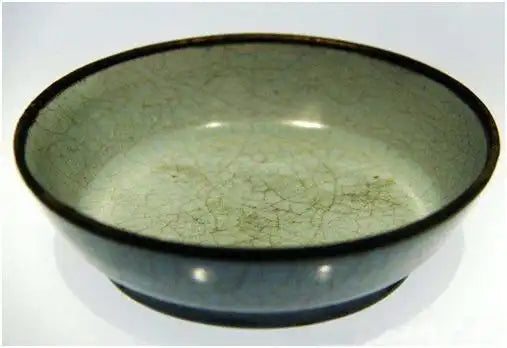
Porcelain Gaiwan A Vessel of Elegance and Reverence
Porcelain Gaiwan A Vessel of Elegance and Reverence
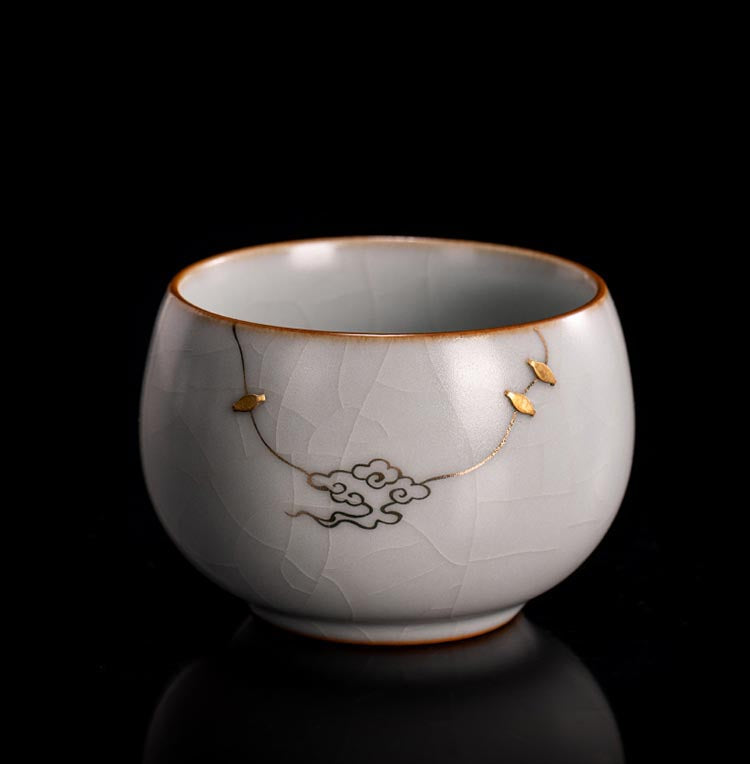
Tucked away in the intimate rituals of tea lovers across the world is a deceptively simple yet profoundly significant piece of teaware: the porcelain gaiwan. Its unassuming form—a bowl with a lid and a saucer—belies the depth of tradition and craft it holds within its delicate walls. Originally hailing from China's Ming dynasty, the gaiwan was conceived not just as a utensil but as a talisman of cultural refinement and aesthetic appreciation.
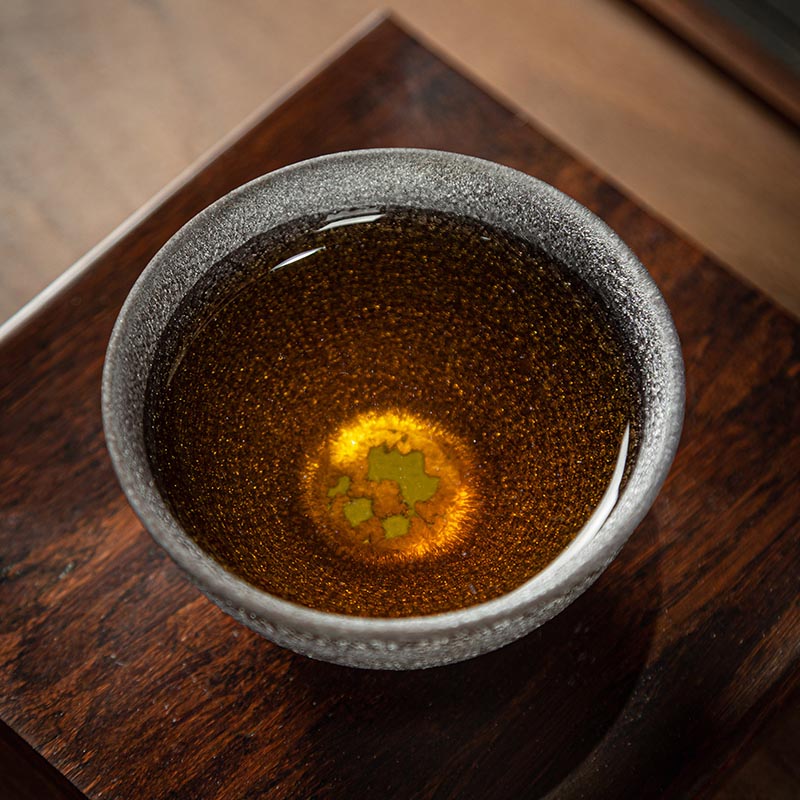
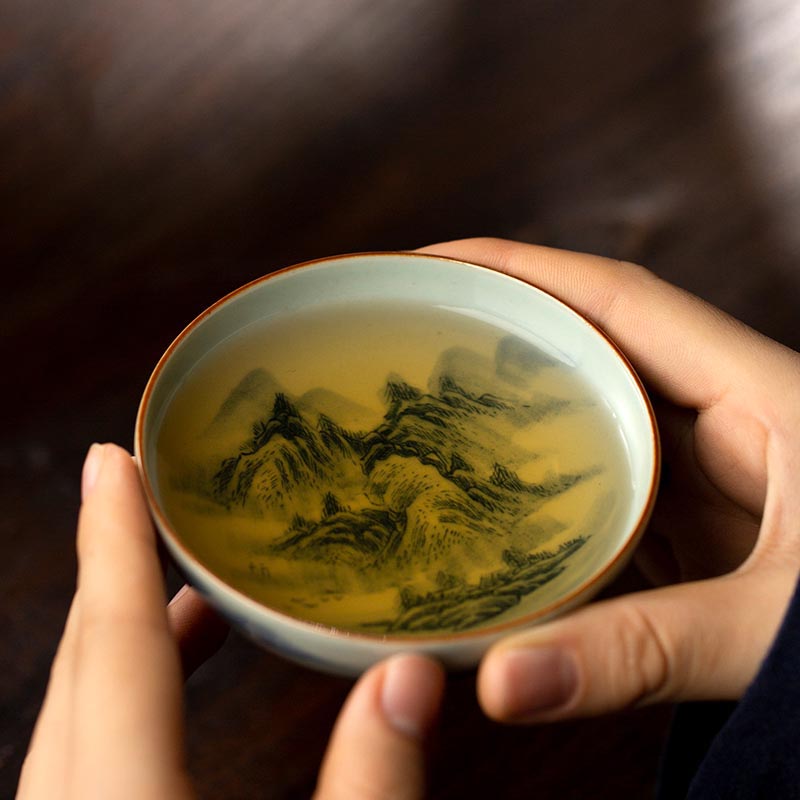
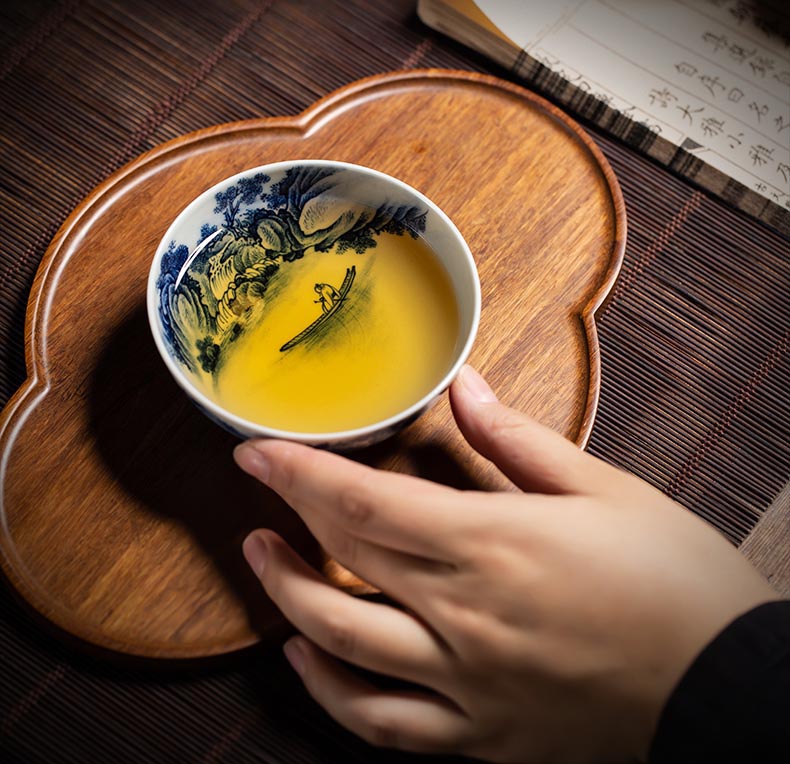
The artistry of a porcelain gaiwan lies in its very material. Porcelain, a quintessentially Chinese invention, is a marriage of resilience and fragility, a testament to human ingenuity. The gleaming white of high-quality porcelain is not merely eye-catching—it also serves a functional purpose, reflecting the color of the tea liquor, enabling the drinker to appreciate the visual nuances of their brew. In this way, a porcelain gaiwan transforms a simple act of drinking into a multi-sensory experience, one that honors the meticulous nature of tea preparation.
The timelessness of the gaiwan also stems from its versatility. It can be used for nearly any type of tea, from the subtle, grassy notes of a green Longjing to the robust and earthy profiles of a ripe pu-erh. Each tea, when brewed in a porcelain gaiwan, reveals its character with clarity. The wide bowl allows leaves to unfurl gracefully, while the lid aids in capturing the aroma. This is where the magic of a gaiwan unfolds—the ability to brew and drink from the same vessel, each sip a step deeper into the journey of the tea.
Craftsmanship is key when it comes to making a porcelain gaiwan. The skill required to produce thin yet strong porcelain is a closely guarded legacy among artisans. In some traditions, crafting a single gaiwan may involve multiple artisans, each a master of their step in the process, from shaping the clay to glazing and firing in kilns. This collaboration across generations endows each piece with a story of its own, bridging the past and present with a shared devotion to beauty and function.
Owning a porcelain gaiwan is to possess a piece of living history. It’s a connection to the hands that molded it and the countless moments of solitude, conversation, and reflection it has hosted. My own gaiwan, acquired in a quiet workshop nestled in the mountains of Fujian, is a companion in my daily ritual. As I handle it, I often ponder the many ways such a simple vessel can amplify the complexity of life’s flavors and the subtlety of its joys.
Through the lens of a porcelain gaiwan, we glimpse the elegance of tea culture—a tradition that encourages patience, cultivates presence, and fosters reverence for the humble leaf. It is a reminder that every brew, whether shared or solitary, is an invitation to pause and reflect. In the dance of water and leaves within a porcelain gaiwan, there lies a quiet wisdom, urging us to savor each moment—an art in itself.