Collectible Teapots A Reference and Price Guide
Collectible Teapots A Reference and Price Guide
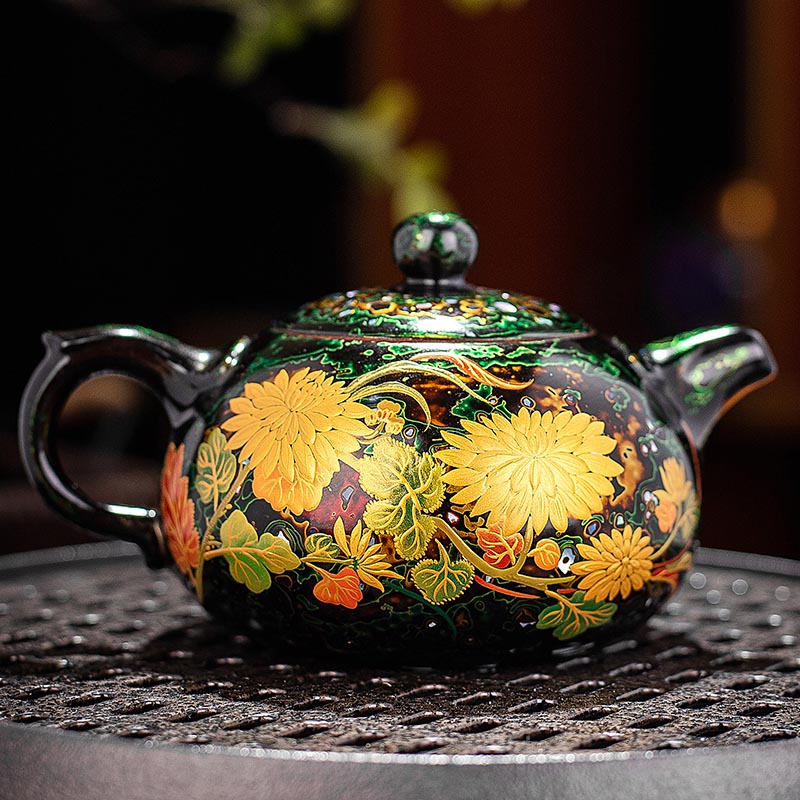
Strolling through a tea market in Shanghai, one might be captivated by the gleam of a handcrafted Yixing teapot. These unassuming yet intricately crafted vessels tell tales of time-honored tradition and masterful artistry that mingle with the rich aroma of wafting tea leaves. For enthusiasts and collectors alike, the allure of these teapots often lies in their impeccable craftsmanship and the stories they hold within their clay walls.
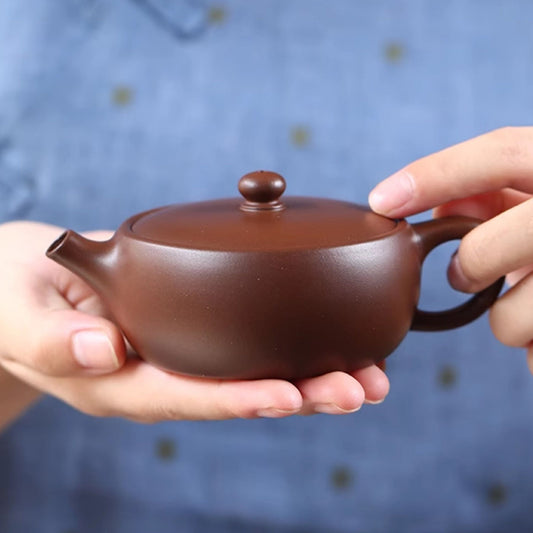
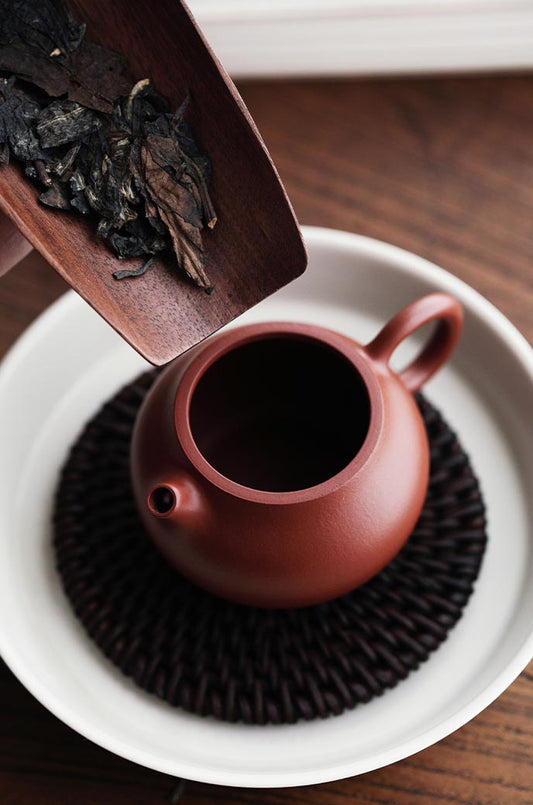
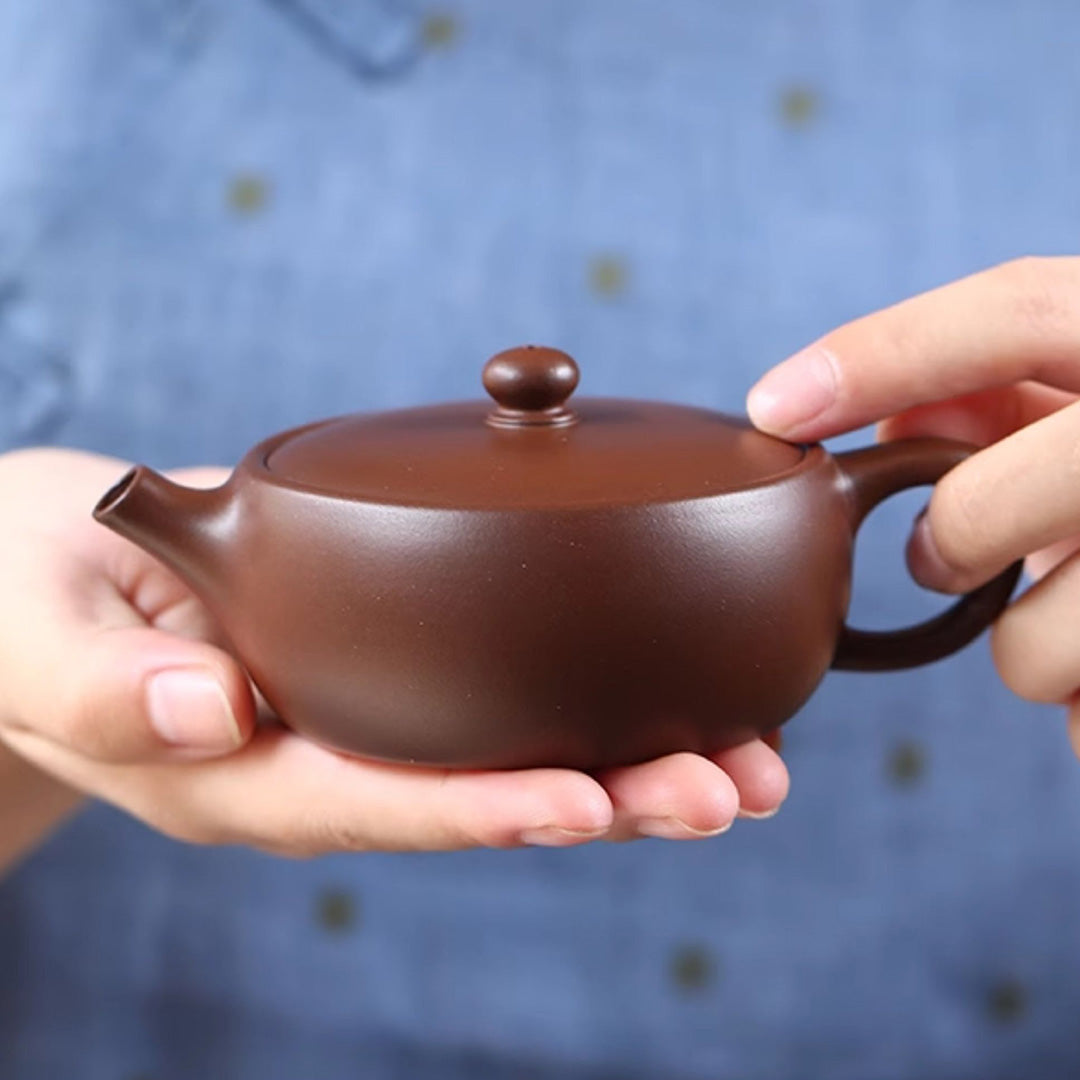
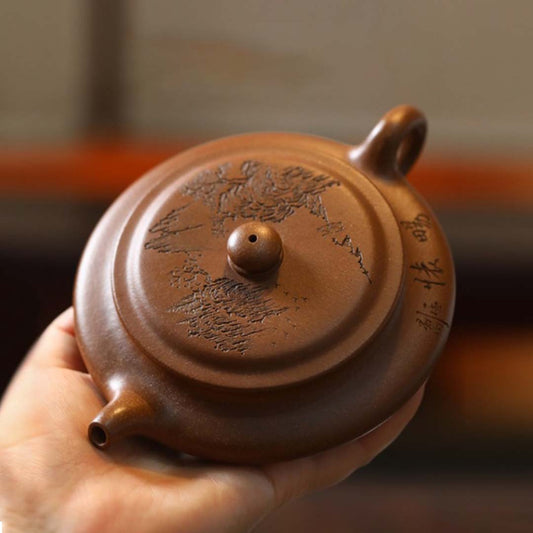
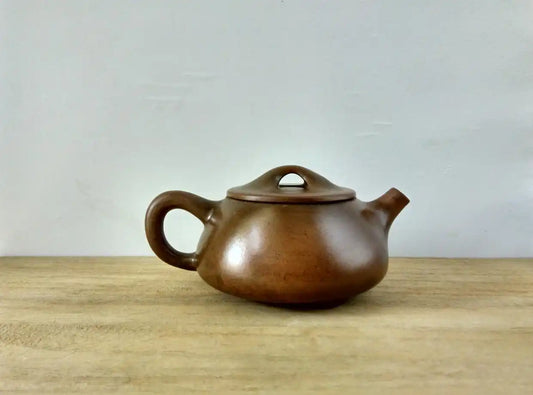
Yixing teapots, made from the unique zisha clay found only in the Jiangsu province of China, are much celebrated in the world of tea. Their material, with its micro-porous structure, absorbs the essence of the teas brewed within, imbuing each subsequent pot with a deepened flavor profile. Aged zisha clay teapots, particularly those crafted by renowned masters, can be priceless. The historical significance of these teapots dates back to the Ming Dynasty, when scholars would convene over tea, reveling in the intellectual and cultural exchanges prompted by their beloved brews. In today's market, an authentic Yixing teapot crafted by a lauded artisan might fetch anywhere from a few hundred to several thousand dollars, each piece unique in its artistic and functional value.
In contrast to the earthy elegance of Yixing teapots, Japanese cast iron teapots, or tetsubin, present their own mystique. Originally designed for boiling water over a hearth, the tetsubin evolved into a cherished object of tea culture during the 19th century. The intricate designs and often elaborate relief work on these iron pots offer a glimpse into the highly skilled craftsmanship that goes into each piece. Collectors prize antique tetsubin not only for their aesthetic appeal but also for their historical relevance in Japanese culture. Prices for collectible tetsubin can be quite varied, influenced by factors such as age, condition, and the fame of the artisan. A fine antique tetsubin, meticulously preserved, could be a treasure worth several thousand dollars, especially if it bears the mark of a famous kashiki, or metalworker.
The beauty of collecting teapots lies not only in their function but in the connection to the cultures they represent and the artisans who craft them. Each pot is a small narrative bound by the hands that shaped it, the clay or metal of its body, and the tea leaves it welcomes with each brew. For a collector, owning such a piece is akin to holding a fragment of cultural history, a tactile reminder of the shared human ritual of tea. In this way, the value of a teapot extends beyond mere price, enriching both the spirit and the alluring dance of tea leaves in water. Collecting teapots becomes not just a hobby, but a passionate pursuit of beauty, heritage, and the quiet joys of mindfulness.
Sometimes, the most cherished pot isn't the one praised in catalogs or auctions, but the one that joins you in calm silence, cradling the warmth of your favorite tea. As you sip, you might just find that it's the story, not the sticker price, that truly makes a teapot shine.