Brewing Tradition The Stovetop Teapot Kettle
Brewing Tradition The Stovetop Teapot Kettle
There's something inherently inviting about the gentle whistle of a stovetop teapot kettle, a sound that seems to echo the whisper of history carried through the ages. This humble kitchen staple, found in many households, invites us to contemplate its role in transforming water into the age-old tapestry of tea.
Many Westerners may first encounter the stovetop teapot kettle as a practical appliance, yet it carries a weight of tradition that extends beyond its utilitarian purpose. In the West, particularly in British homes, the tea kettle has long been a fixture, a silently steaming prelude to the ritual of afternoon tea. In contrast, its presence in countries like China and Japan is more enigmatic, embedding itself in more ceremonial contexts.
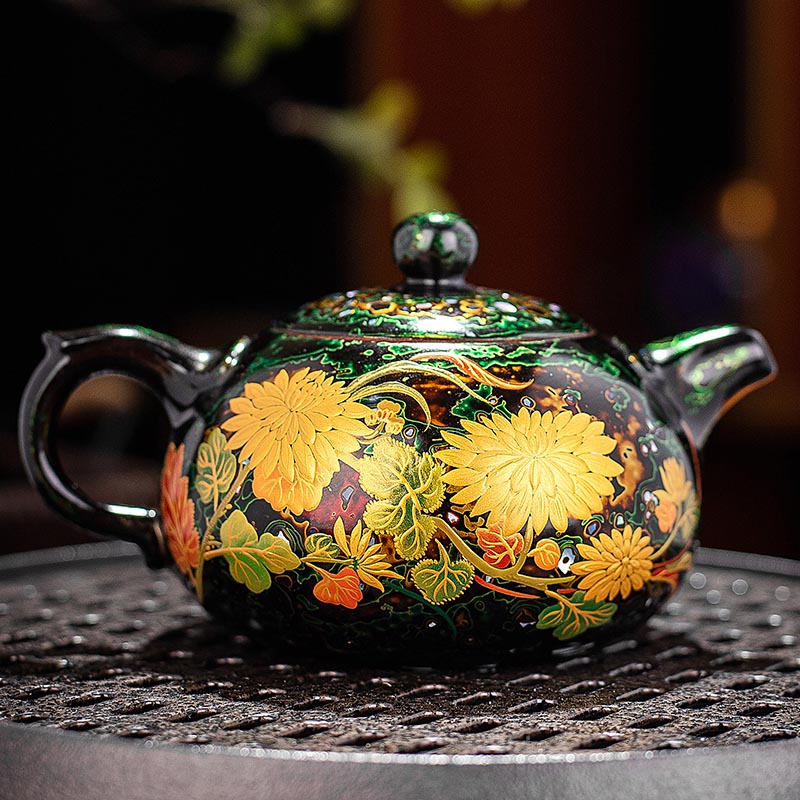
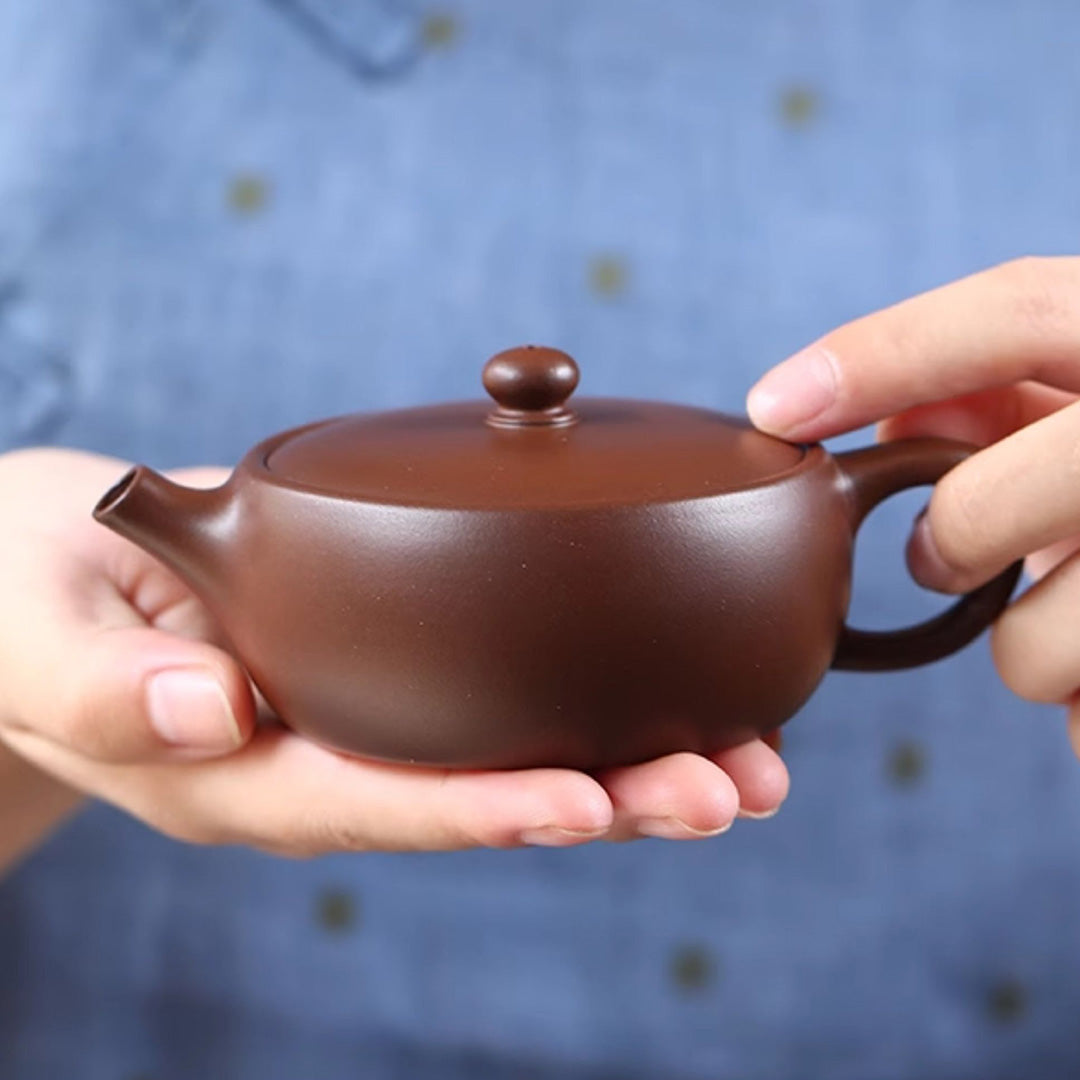
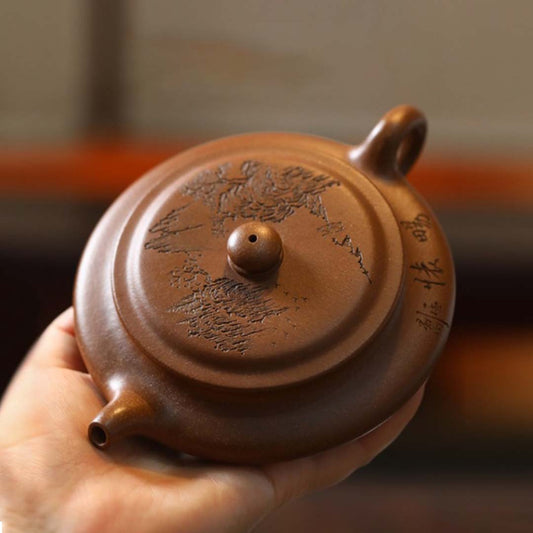
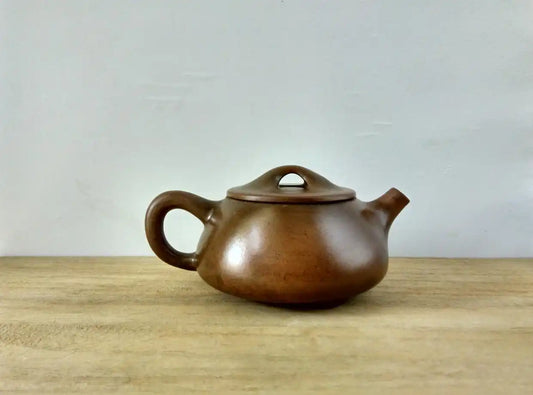
Consider the material of the kettle itself—an often overlooked yet significant aspect. Traditional kettles may be crafted from cast iron, a choice not made lightly. In regions such as China and Japan, the cast iron kettle, or tetsubin, is prized for its durability and heat retention. Heating water in such a vessel is not just about function; it’s an experience in patience and respect for craftsmanship, as these kettles can be exquisite works of art, often decorated with subtle motifs that nod to nature or history.
The craftsmanship of these kettles is a tale of dedication. Some regions boast artisans who have honed their skills over generations, creating kettles that are not only tools but heirlooms. A hand-forged tetsubin, for instance, may require several weeks to complete, each step demanding precision and care. Think of the artisan at work: the rhythmic clang of metal, the careful shaping, the patina forming over the years. Such a kettle brings a sense of gravity to the act of boiling water, a connection to the hands that shaped it.
Beyond the kettle itself, the stovetop becomes a stage for this quiet performance. The dance of water over flame marks the beginning of a transformation, a prelude to steeping leaves that have been harvested, rolled, and dried, often in distant lands. The stovetop teapot kettle, in its simplicity, serves as a bridge across cultures, taking us from the modern kitchen to the rustic hearths of ancient times where tea was first shared.
In a world where convenience often overshadows tradition, the stovetop teapot kettle urges us to pause, if only for a moment. It's a call to reconnect with the roots of tea culture, to appreciate the craftsmanship and history embedded in every whistle and whisper of steam. In the end, it reminds us that in making tea, we are participating in a ritual that has brought warmth and solace to countless souls before us—a humbling thought for the next time you fill your kettle and set it to boil.