A Journey Through the Heart of Chinas Tea Kettles
A Journey Through the Heart of Chinas Tea Kettles
There’s something deeply meditative about filling a kettle with water, feeling its weight shift gently against your wrist, and bringing it to life on a stovetop flame. In China, this ritual takes on a time-honored gravity, for the kettle is much more than a mere vessel; it's an anchor in the vast and varied sea of tea culture. Let’s take a step into this world and uncover what makes the Chinese tea kettle a quietly indispensable part of the tea experience.
Traditionally, a Chinese tea kettle might be crafted from cast iron, clay, or even porcelain. The choice of material isn’t just about aesthetics; it speaks to a deeper understanding of how tea is best brewed and enjoyed. Cast iron, for instance, retains heat remarkably well, making it ideal for maintaining a stable temperature. This is crucial when brewing teas that demand precision, like the bright and intricate notes of a good green tea, which can easily be lost or scorched if the water is just a few degrees too hot.
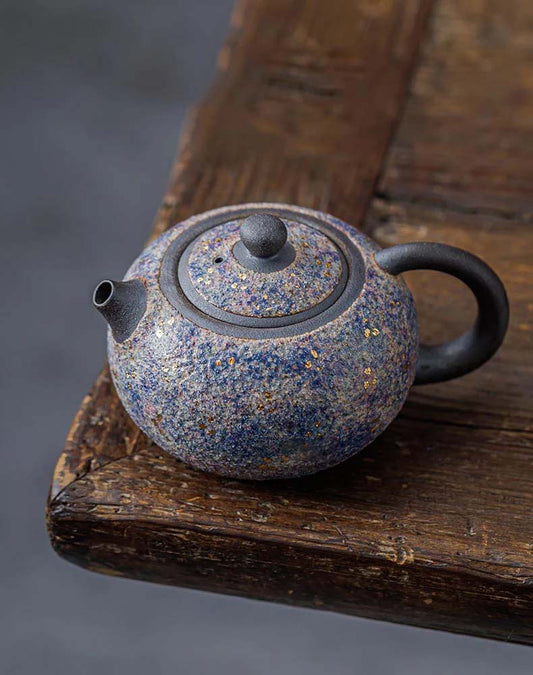
One might picture an elegant cast iron kettle, its surface speckled with the patina of countless brews, standing proudly on a rustic wooden table. Its origins trace back to the Tang dynasty, a time when tea accidentally became a cultural cornerstone of China. Legend has it that an open tea kettle, left to its own devices, once led to the discovery of how water’s interaction with heat and metal could enhance the essence of tea leaves. The tale might be apocryphal, but the story persists—just like the enduring appeal of these kettles.
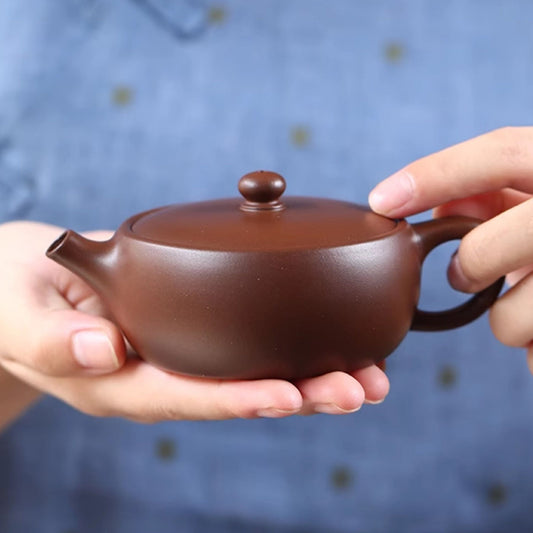
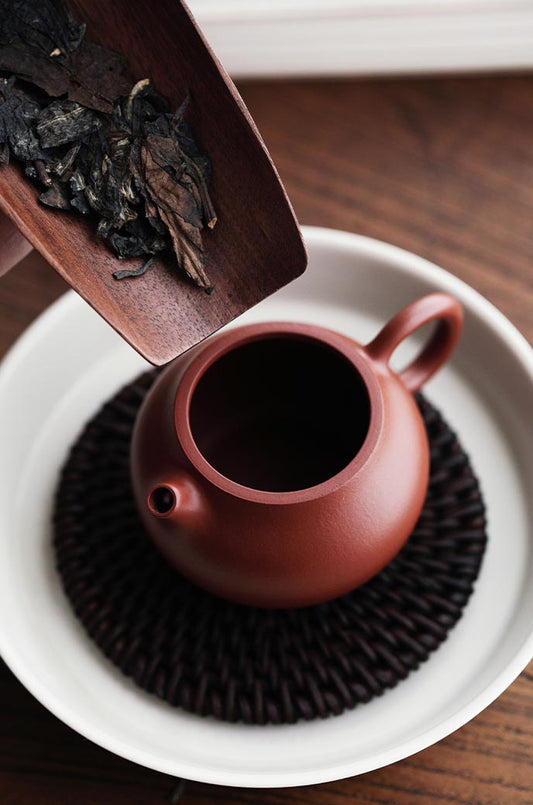
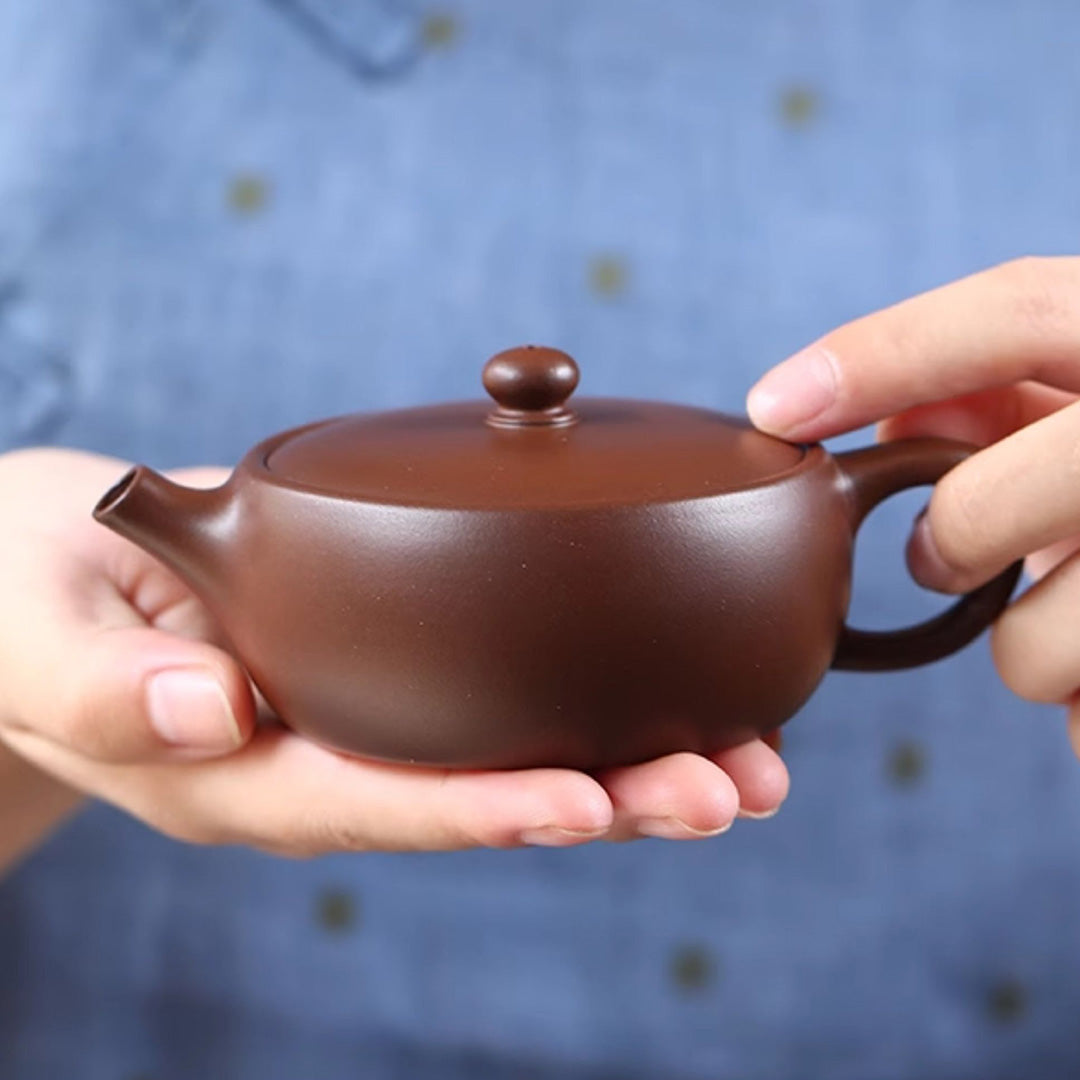
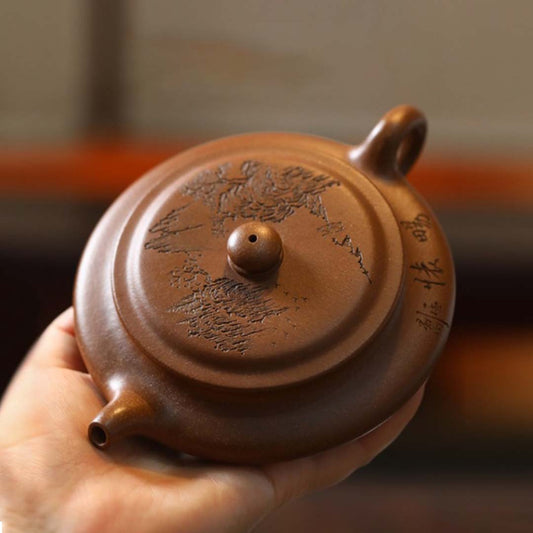
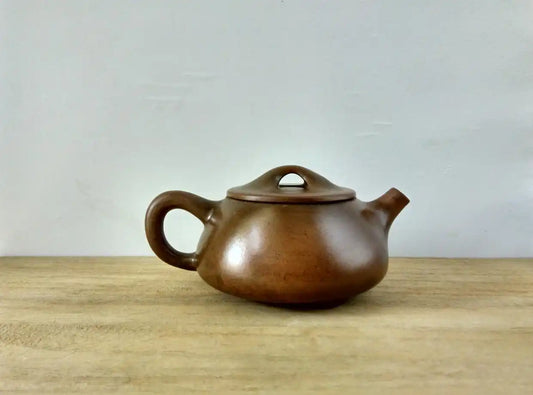
Clay kettles, particularly those crafted from the revered Yixing clay, offer a different experience altogether. Each pot is a labor of love, often molded by hand without the use of a potter’s wheel—the hands of the artisan shaping the clay to perfection. Over time, a Yixing kettle develops a personality of its own, gradually absorbing the flavors and aromas of the teas brewed within it, thus adding a subtle, mysterious depth to each new infusion. For those who appreciate the nuanced dance of oolong or pu-erh teas, the clay kettle’s ability to retain flavor becomes a cherished feature.
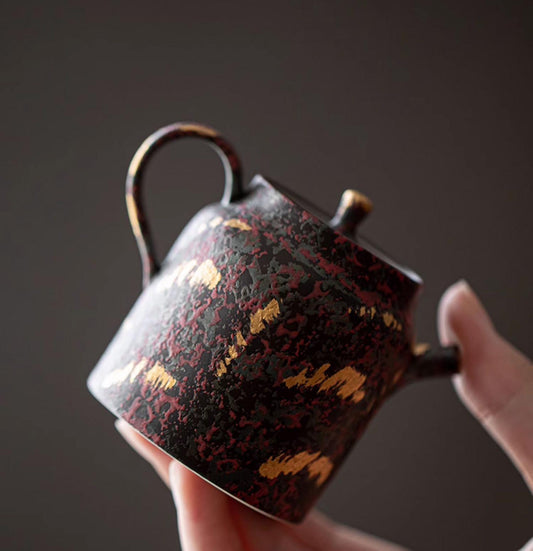
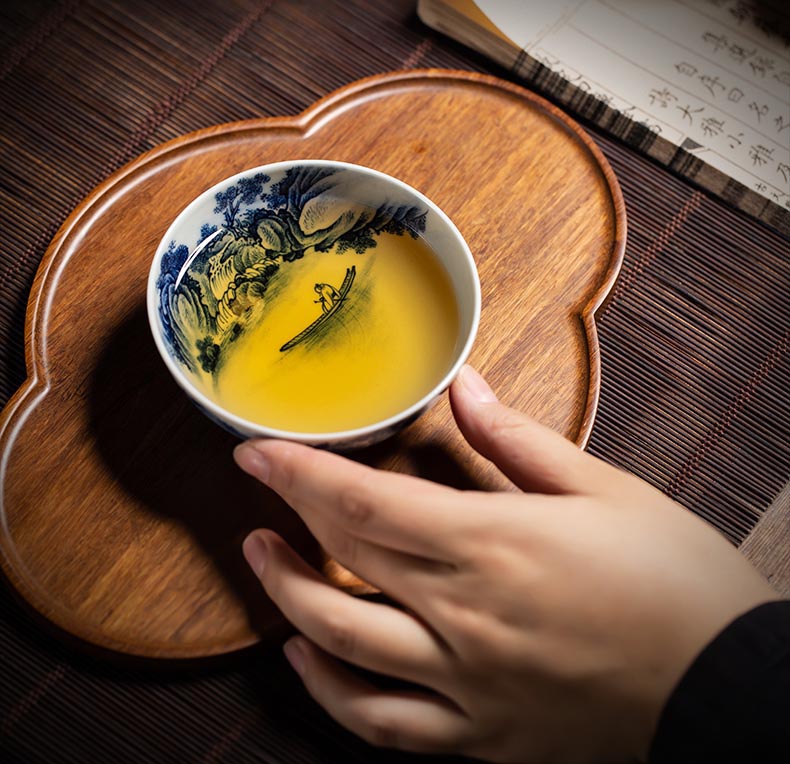
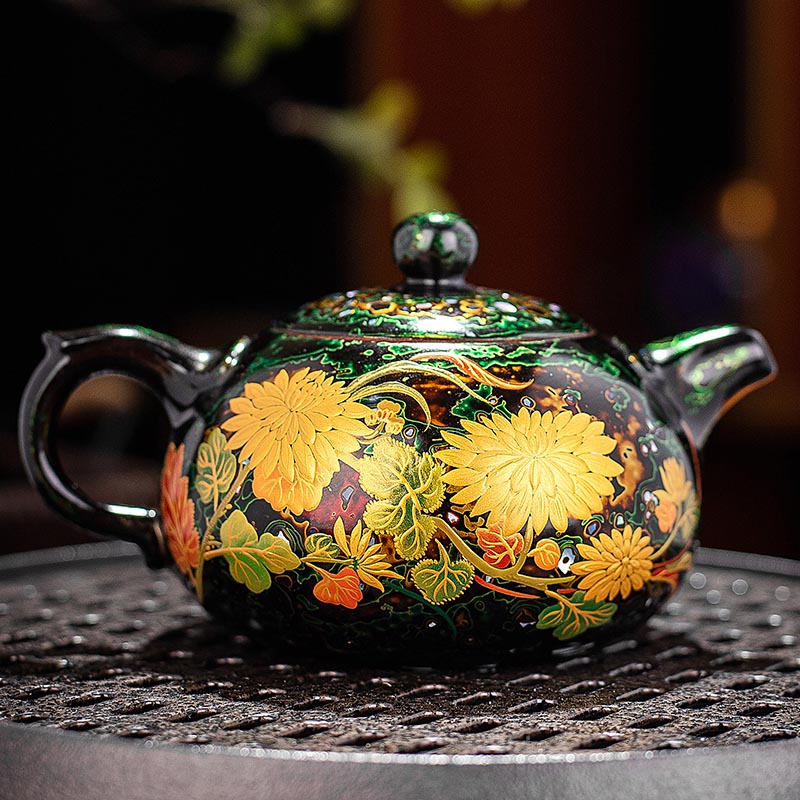
Porcelain, while less traditional for kettles, offers a different kind of beauty. Its delicate, smooth surface allows for artistic expression, often adorned with intricate designs and vibrant colors that evoke the natural landscapes of China’s storied tea regions. Here, the kettle becomes a canvas, bridging the drinker to the natural world from which their tea was born. A porcelain kettle might not imbue the water with nuances, but it enhances the visual and emotional experience of tea preparation and drinking.
In the West, we might pause to consider how these kettles serve as a tangible link to tradition, making the act of preparing tea not just a momentary pleasure, but a practice rooted in centuries of cultural storytelling. The next time you find yourself boiling water for tea, contemplate the kettle's quiet journey from its ancestral home, where each brew, each cup, is a reminder of the past and an invitation to savor the present.