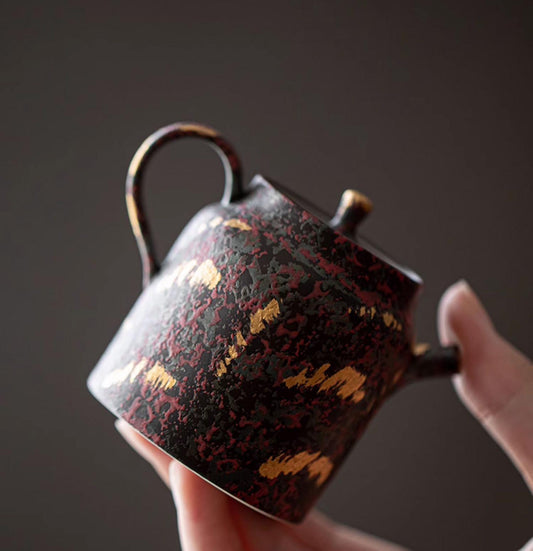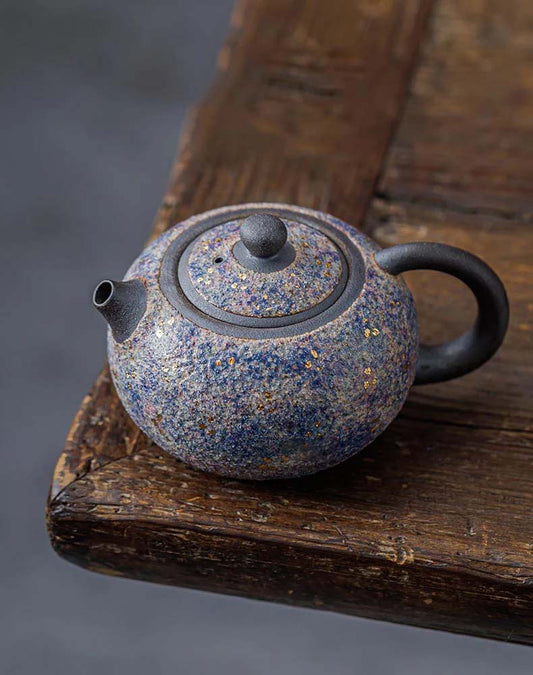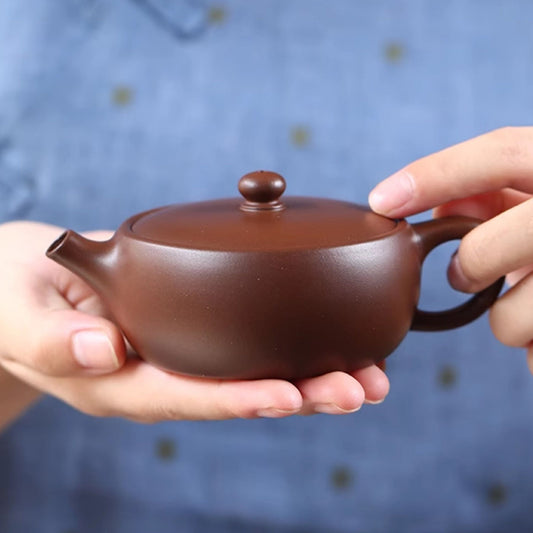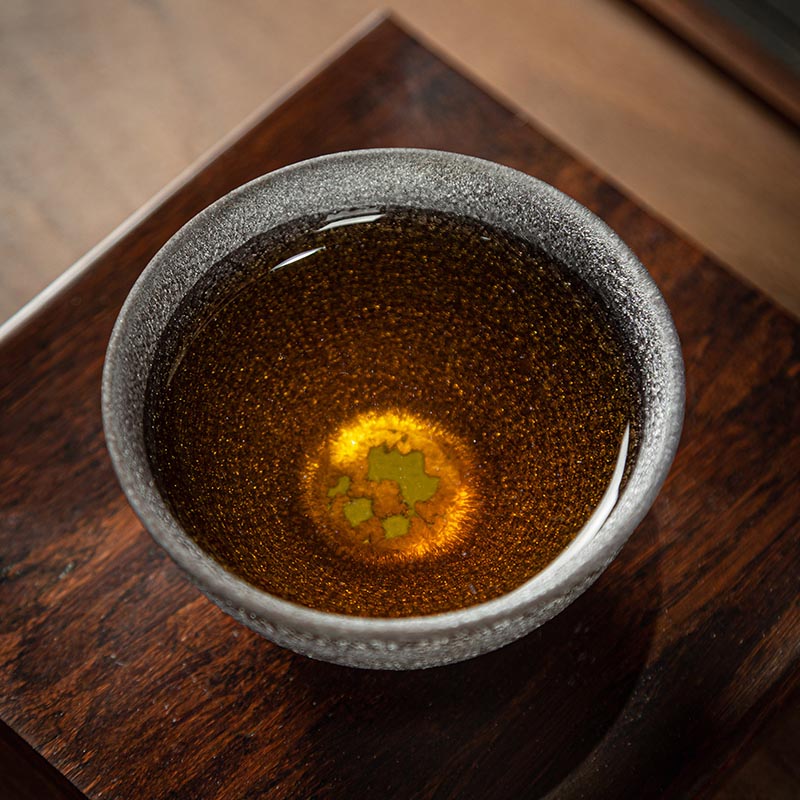
Yellow Hall Teapot
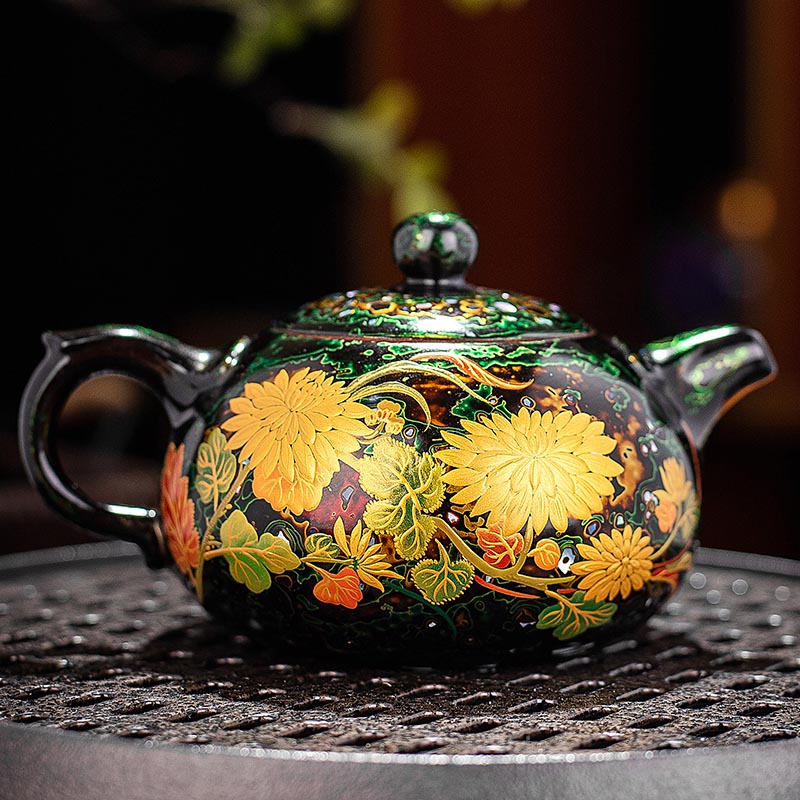
A teapot finished in a warm yellow glaze has a very different presence on the tea table from the more familiar dark Yixing clay pots. Some tea drinkers casually refer to this style as a “yellow hall” teapot, a name that seems to come from the way the color quietly brightens the tea space, almost like a patch of warm light sitting at the center of the tray.
In practice, the first thing people notice is the color against the rest of the tea ware. On a wooden tea tray, beside small porcelain cups and a glass fairness pitcher, the yellow glaze feels calm but lively. It’s not a sharp lemon color. Most examples lean toward a softer tone—something like ripened grain or faded silk. Under the steam rising from freshly brewed leaves, the glaze often develops a gentle shine that makes the pot look almost warm to the touch even before you pick it up.
Function matters more than appearance during gongfu brewing, and a well‑made yellow-glazed teapot still follows the same principles that tea drinkers look for in any good pot. The lid should sit cleanly, the handle balanced with the spout. When pouring into a cha hai, the stream should come out steady and narrow, without wobbling. During a fast series of infusions, that kind of balance becomes surprisingly important. A pot that pours cleanly keeps the rhythm of the session smooth, especially when several people are sharing the table.
Material also shapes how the pot behaves. Many yellow hall teapots are glazed porcelain or high-fired ceramic rather than unglazed clay. Porcelain doesn’t absorb the character of tea the way Yixing clay does, so it stays neutral. That makes it particularly pleasant when brewing aromatic teas—dancong oolong, fragrant green teas, or young sheng puerh—where you want the fragrance to remain clear and bright. After pouring, when the lid is lifted, the aroma rises quickly from the pot and drifts across the cups.
Visually, the yellow glaze also interacts nicely with the rest of a simple tea setup. Loose leaves might be stored in a small ceramic tea caddy nearby, and when the dry leaves are tipped into the pot, the contrast between dark twisted leaves and the pale interior glaze can be striking. Once the tea liquor begins to gather in the fairness pitcher, the golden tone of the pot often echoes the color of the tea itself.
There’s also something quietly social about this kind of teapot. During a tea gathering, darker clay ware tends to absorb the eye, while a yellow pot reflects light around the table. Small porcelain cups lined up beside it feel a little brighter, and the movement of pouring becomes easy for everyone to follow. People tend to lean forward, watching the stream of tea fill the pitcher before it’s shared among the cups.
Over time, even a glazed teapot begins to carry subtle marks of use. The underside may darken slightly from contact with the tea tray, and the lid develops a soft polish from repeated lifting. None of these changes are dramatic, but they slowly make the pot feel more personal, like a familiar tool rather than a decorative object.
That’s really the charm of a yellow hall teapot. It isn’t meant to dominate the tea table. It simply sits there with a quiet warmth, doing its work infusion after infusion while the conversation and the tea move gently around it. :::