Teapot Chinese Food A Steamy Tale of Taste and Tradition
Teapot Chinese Food A Steamy Tale of Taste and Tradition
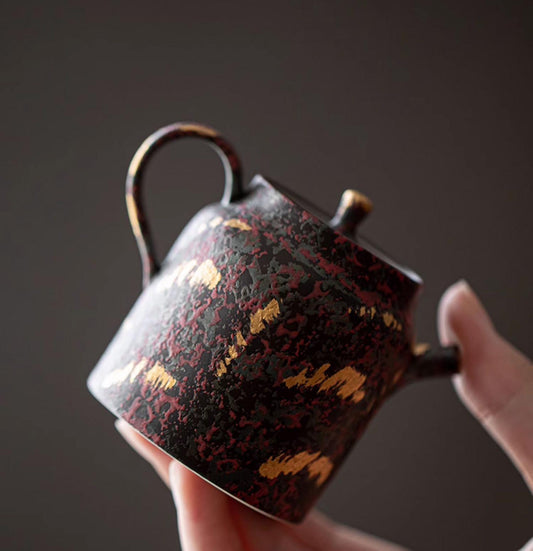
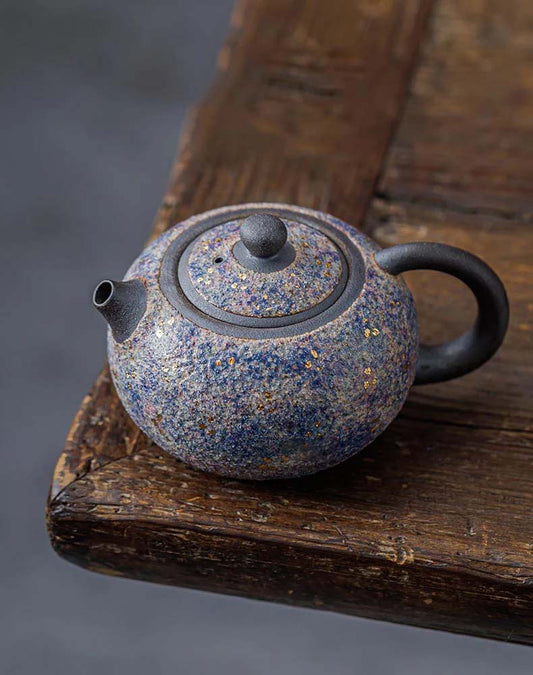
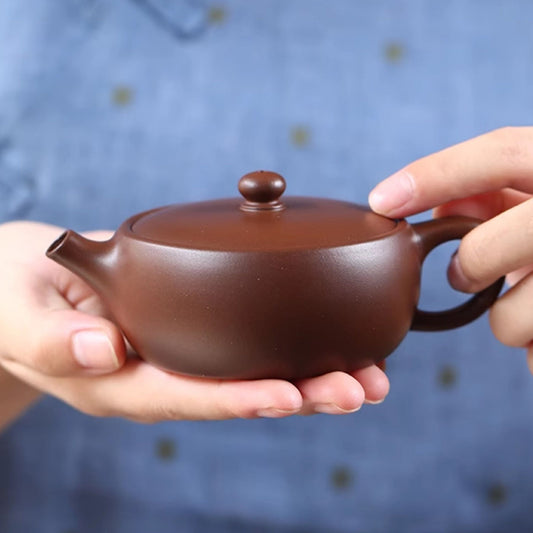
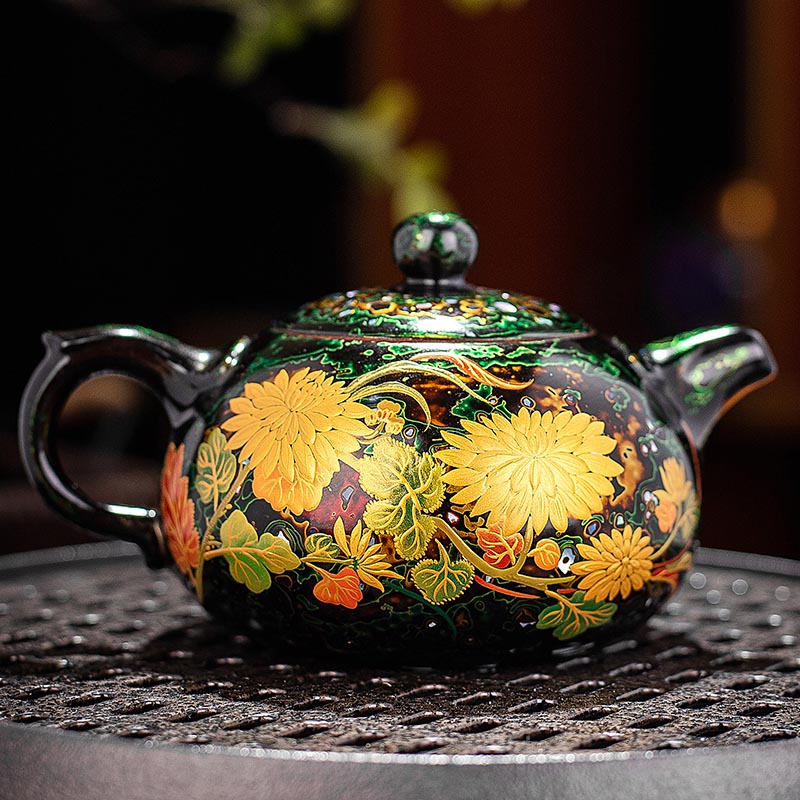
When one mentions a teapot in the context of Chinese culture, the mind might first drift towards the meticulously crafted Yixing teapots, celebrated for their ability to enhance the depth and aroma of a fine brew. Yet, nestling within this realm of porcelain and clay is an unexpected culinary tradition: teapot food. Yes, the same vessel cherished for perfecting the taste of aged pu-erh and delicate white teas also holds secrets as a culinary companion.
This intriguing tradition traces its roots back to ancient China where the practicality of the teapot transcended its intended purpose. In the bustling markets or humble kitchens, the teapot doubled as a makeshift steamer, leveraging its snug enclosure and consistent heat distribution. A detour in the sophisticated dance of kitchenware, it combined convenience with necessity. Imagine a vendor in the throng of a busy street, selecting a teapot instead of a pan to make lunch. A stir of ingenuity, with a sprinkle of happenstance.
Despite its humble origins, the idea of cooking in teapots remains a testament to the Chinese ethos of harmony between form and function. This culinary style emphasizes simplicity and mild flavors that allow the essence of the ingredients to shine. It’s a method that aligns beautifully with the soft whisper of green tea, which lightly scents the food, enhancing rather than overwhelming. Think of delicate morsels of chicken, infused with ginger and scallion, gently steamed within the confines of your favorite teapot. It sounds like something out of a gastronomic fairy tale, yet it’s this subtlety that speaks volumes of its appeal.
One could muse that the teapot, in performing its culinary double act, invites us to pause and appreciate the wisdom of time-honored practices. Each use of this vessel, whether in steeping leaves or steaming grains, calls for patience and reflection—a shared thread of mindfulness. This harmony of function and flavor extends beyond the domestic to the communal, where a table is shared, stories are exchanged, and the humble teapot stands as both a giver of warmth and a keeper of tales.
The charm of cooking with a teapot might echo the broader lesson of finding potential where it’s least expected. Perhaps it suggests a gentle reminder: the magic of transformation isn’t confined to leaves of Camellia sinensis alone. The simple teapot, in its quiet versatility, becomes an emblem of resilience and creativity. At the heart of this tradition lies a deeper reflection on life—like tea itself, it invites us to savor the slow, rewarding journey.
So, the next time you find yourself in a kitchen, gazing at your empty clay companion, consider the possibilities. The world of tea is vast, and in its depths, it continues to surprise, delight, and inspire—one teapot at a time.