Wuyi Rock Tea A Journey Through Stone and Leaf
Wuyi Rock Tea A Journey Through Stone and Leaf
Nestled in the rugged terrain of northern Fujian, China, the cliffs of the Wuyi Mountains hold more than just picturesque beauty; they cradle a legacy of tea that has whispered through centuries. The air here is infused with the subtle fragrance of nature, where the famous Wuyi rock teas—known as Yan Cha—have their roots clinging to the mineral-rich soil. Each sip of these teas is a journey, a blend of geology and cultural artistry, sculpted by the hands of time and tradition.
Yan Cha are oolong teas that owe their distinguished character to the unique terroir of the Wuyi Mountains. The term "rock tea" is no mere marketing gimmick; it reveals the stony heart of its origin. The roots burrow into a mix of volcanic and sedimentary rock, absorbing minerals that lend the leaves their distinctive backbone. This rocky embrace imparts a complexity famously described by enthusiasts as a "yan yun" or "rock rhyme," an elegant dance of roasted notes, floral tinges, and earthy undertones that coat the palate long after the cup is empty.
The crafting of Wuyi rock tea is an art passed down through generations, each step a testament to meticulous care. Traditionally, the leaves are harvested in early spring, when they are plump and rich with potential. After a deft hand-plucking, the leaves undergo a withering process, followed by a delicate oxidation that transforms them with a coppery hue and a deepening aroma. The final touch is a charcoal roasting, often conducted in small batches, each roast attended like a musical symphony—toasting the senses with nuanced layers of smoke and fruit.
But the story of Wuyi rock tea is not only about its taste profile; it is a cultural narrative, steeped in the echoes of history. Legend speaks of the "Four Great Bushes," a quartet of ancient tea plants said to have survived for hundreds of years. Though tales may blur fact with folklore, these bushes stand as a testament to the region’s uncompromising reverence for tea. One of the most famous, Da Hong Pao, or the "Big Red Robe," is shrouded in legend and mystique, reputed to have once cured a Ming Dynasty emperor's mother—and now, its leaves are treasured like gold.
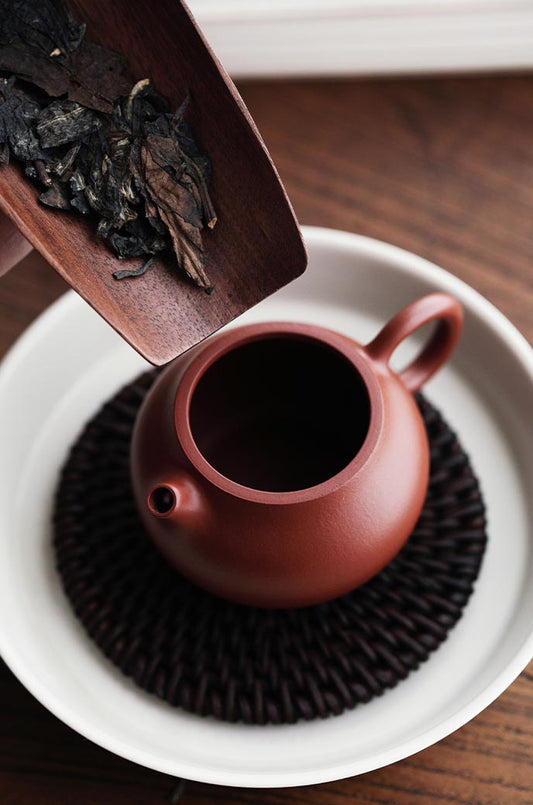
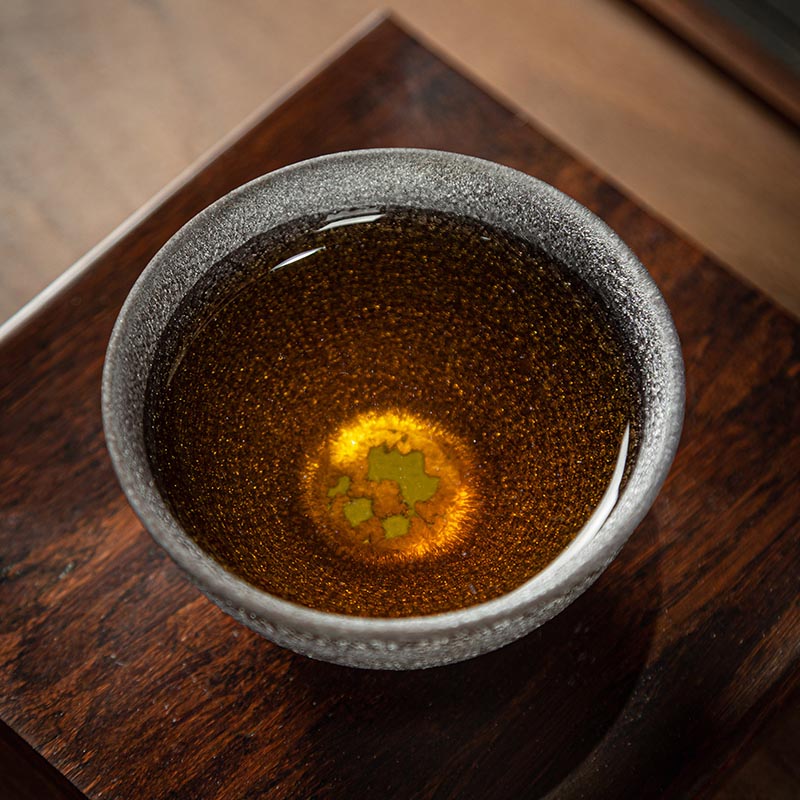
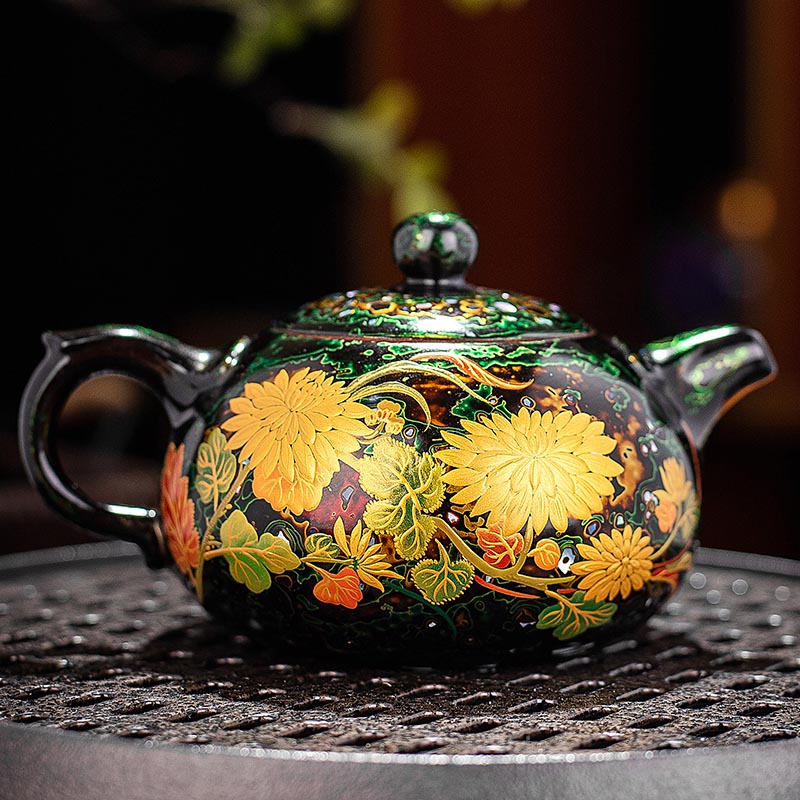
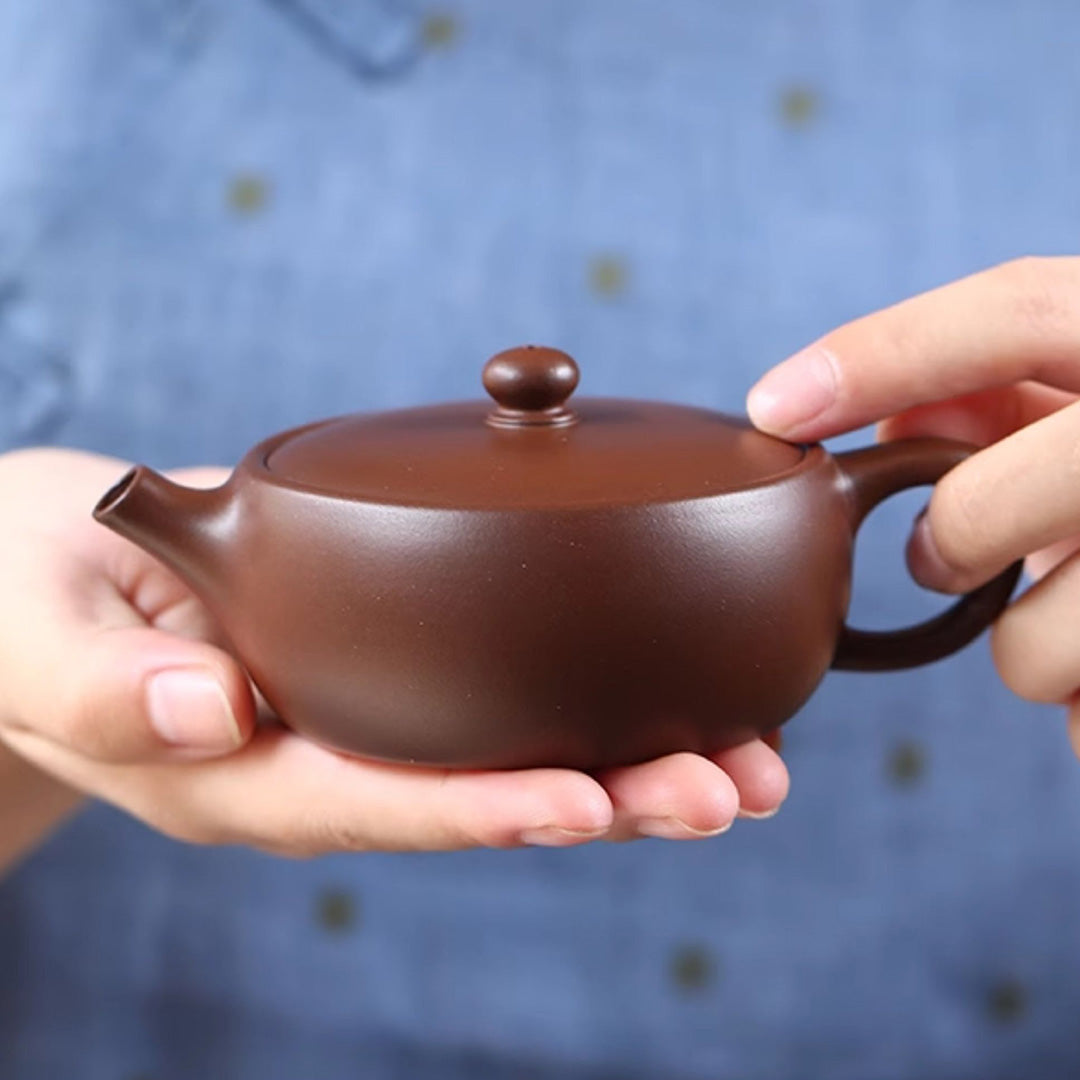
Brewing a cup of Wuyi rock tea is more than a ritual; it is a pilgrimage of the senses. A simple gaiwan—a modest lidded bowl often used for brewing—can unveil the layers embedded in each leaf. As amber liquid pours into a cup, the steam carries with it a whisper of the mountain breeze, the warmth of the sun-drenched rocks, and the subtle hints of wild orchids growing in crevices. Each infusion offers something new, a testament to the tea’s evolving character.
For those who explore this world from afar, Wuyi rock tea is a reminder of nature's alchemy and humanity's artistry. It invites us to slow down, to taste, and to reflect on a tradition that has shaped not only a region but a way of appreciating the finer grains of life. So, in a world that often rushes by, take a moment with Wuyi rock tea—where every sip is a pause in time, a gentle nod to the stones and leaves that quietly craft their story.